

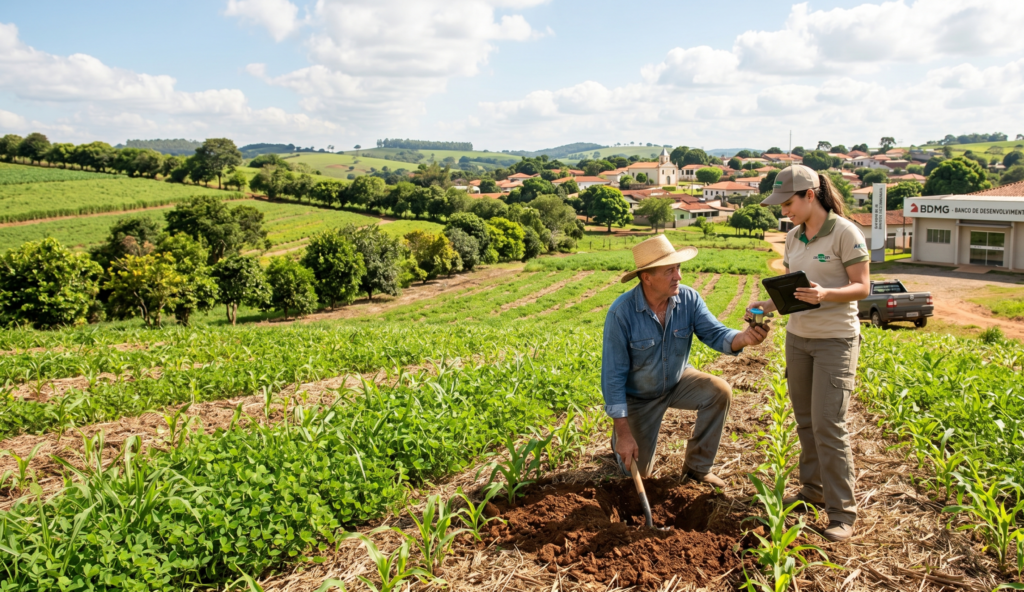
Brazil is taking a strong step toward sustainable agriculture with the launch of a regenerative agriculture fund led by the Development Bank of Minas Gerais. This initiative helps small and medium farmers shift from conventional practices to climate-smart and soil-focused systems.
According to the Climate Policy Initiative, the fund focuses on turning sustainability goals into real action. Instead of staying at the policy level, it directly supports farmers with finance, guidance, and incentives.
Why This Fund Matters for Global Agriculture
Agriculture plays a major role in climate change. On one hand, it contributes to emissions. On the other hand, it offers solutions such as carbon storage and biodiversity protection.
However, farmers in emerging markets face serious challenges. They deal with extreme weather, declining soil quality, and limited financial access. As a result, many farmers continue using outdated practices.
Therefore, this fund becomes important. It makes sustainable farming practical, accessible, and financially viable.
How the Fund Works
The Regenerative Agriculture Fund combines financial support with practical solutions. It creates a system that encourages long-term change.
1. Accessible Financing
First, the fund provides loans and blended finance options. These reduce risks for banks and encourage lending. As a result, farmers can access capital more easily.
2. Technical Support
In addition, farmers receive on-ground guidance. Experts help them improve crop rotation, soil management, and input usage. This support makes the transition smoother.
3. Performance-Based Incentives
Most importantly, the fund rewards results. Farmers receive benefits when they improve soil health and productivity. In some cases, lenders adjust loan terms based on performance. This approach directly connects sustainability with financial gains.
Addressing Structural Challenges
Despite its benefits, regenerative agriculture faces several barriers. During the fund’s design, experts identified key issues.
First, high collateral requirements prevent farmers from accessing credit.
Second, existing government schemes often fail to meet real needs.
Third, uncertain yields make lenders cautious.
Moreover, another challenge exists in the market. Farmers who adopt regenerative practices rarely receive higher prices. Because of this, many hesitate to switch.
To solve this problem, the fund introduces incentive mechanisms. These reward farmers for environmental outcomes such as better soil health and biodiversity. As a result, farmers gain both ecological and financial benefits.
A Scalable Model for Developing Economies
Although Brazil launched this initiative, its impact can extend globally. In fact, the model offers a clear path for other developing countries.
It combines public funding, private investment, and technical expertise. Therefore, it creates a strong foundation for scaling sustainable agriculture.
At the same time, public development banks play a key role. They act as coordinators, reduce financial risks, and support long-term growth. Because of their involvement, the model becomes more reliable and scalable.
The Way Forward
This fund represents a major shift in agricultural finance. It focuses on long-term sustainability instead of short-term output.
If implemented successfully, it can close the gap between global climate goals and ground realities. More importantly, it can make regenerative agriculture a mainstream practice.
Ultimately, this model shows how financial systems can support environmental progress. It turns sustainability into a real opportunity for farmers.
