
Indian agriculture is undergoing a major transformation. It is no longer limited to traditional factors like soil quality, seeds and rainfall. In 2026, farming in India is shaped by climate uncertainty, human and wildlife conflict, digital disruption and global supply chain pressures. These interconnected challenges are influencing how farmers plan, cultivate and protect their livelihoods.
Across the country, even small gaps in policy, technology access or data systems can significantly impact millions of farmers. Understanding these changes is essential to building a more resilient agricultural ecosystem.
Rising Wildlife Threats to Crops
In many regions, especially those located near forests and protected zones, farmers are facing increasing crop losses due to wild animals. Species such as wild boars, nilgai, monkeys and elephants frequently damage standing crops, often just before harvest.
One major issue is the lack of accurate and consistent data on such incidents. Without proper documentation, many farmers struggle to receive compensation or support. This creates both financial stress and frustration within farming communities.
To address this, experts recommend:
- Creating a structured, state-level database for wildlife-related crop damage
- Developing region-specific prevention strategies
- Introducing insurance policies that include wildlife-related losses
Such measures can help shift the approach from reactive to preventive.
Unpredictable Weather and Pre-Monsoon Risks
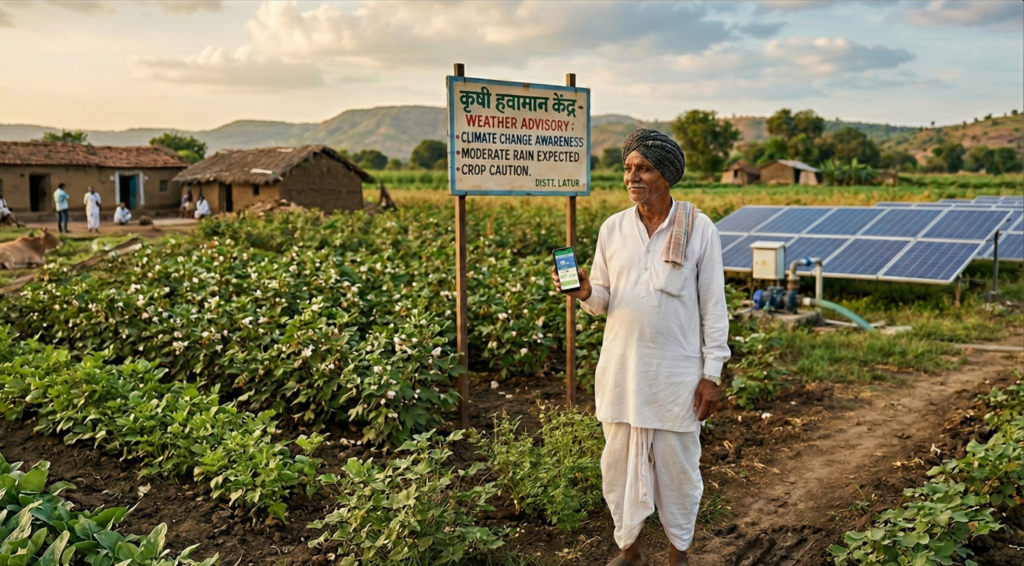
Climate change has made weather patterns increasingly unstable. One noticeable shift is the growing risk during the pre-monsoon period. Unseasonal rainfall, hailstorms and sudden temperature fluctuations have become more frequent in states like Rajasthan and Punjab.
These unexpected events often occur just before harvest, destroying crops and wiping out months of effort. Traditional farming calendars are becoming less reliable as climate conditions continue to evolve.
To reduce risk, the following steps are crucial:
- Improved real-time weather advisory systems
- Updated crop planning strategies based on climate data
- Insurance products that cover unpredictable weather events
Farmers need support systems that reflect the reality that no season can be considered completely safe anymore.
Digital Agriculture and the Gender Gap
India is rapidly adopting digital solutions in agriculture. Technologies such as artificial intelligence, satellite monitoring and mobile-based advisory platforms are helping farmers make better decisions.
However, access to these tools is not equal. A significant digital gap exists, particularly affecting women farmers.
In many rural and tribal areas:
- Internet access among women is significantly lower than men
- Mobile phone ownership is limited
- Training and outreach programs often do not target women
As a result, many women miss out on critical updates related to weather, crop health and market prices.
Bridging this gap requires:
- Targeted digital literacy programs for women
- Affordable access to smartphones and internet services
- Inclusive design of agri-tech platforms
Ensuring equal access will improve both productivity and rural livelihoods.
Challenges in Crop Insurance Systems
Crop insurance remains a key support mechanism for farmers, but its effectiveness is often questioned. Schemes like Pradhan Mantri Fasal Bima Yojana aim to protect farmers from losses, yet several issues persist.
Farmers commonly face:
- Delays in claim processing
- Complex documentation requirements
- Limited coverage for certain crops or regions
In many cases, compensation arrives late or is insufficient to recover losses.
Improving the system could involve:
- Using satellite and drone data for faster damage assessment
- Simplifying claim procedures through mobile platforms
- Integrating local-level verification systems
A responsive insurance system can act as a true financial safety net.
Global Supply Chains and Fertiliser Dependence
Indian agriculture is also influenced by global factors. Disruptions in international trade routes and geopolitical tensions can affect the supply of fertilisers and essential inputs.
When supply chains are disturbed:
- Input costs increase for farmers
- Crop production costs rise
- Food prices may surge for consumers
Despite strong domestic production, dependence on imports still exposes the system to external risks.
To strengthen resilience, India can:
- Increase domestic fertiliser production
- Promote low-input and sustainable farming practices
- Diversify trade partnerships
Reducing reliance on external sources will help stabilise both farming and food security.
Building a More Resilient Future
The challenges facing Indian agriculture are complex but not insurmountable. A common solution lies in better use of data, inclusive policymaking and smart adoption of technology.
Initiatives like soil health monitoring have already shown the potential of large-scale data systems. The next step is ensuring that such insights reach every farmer, including smallholders and women.
Equally important is recognising traditional knowledge. Farmers have long understood local soil conditions, water patterns and seasonal changes. Combining this knowledge with modern tools can lead to more sustainable and practical solutions.
Conclusion
Indian agriculture is at a critical turning point. Climate risks, wildlife conflicts, digital inequality and global dependencies are reshaping the sector.
Addressing these issues requires coordinated efforts across policy, technology and grassroots participation. By focusing on inclusivity, data-driven decisions and resilience, India can build a stronger agricultural future that supports both farmers and food security.
