
Agriculture is at the heart of human life. It feeds us, clothes us, and supports millions of livelihoods. But as the world changes, so must the way we farm. Many farmers today are realizing that sustainable farming isn’t just a trend — it’s the future of agriculture.
Let’s talk about why this shift is so important, and how it can benefit farmers, the environment, and future generations.
What Is Sustainable Farming?
Sustainable farming means growing crops and raising animals in a way that protects nature and supports people. It focuses on using resources wisely — water, soil, and energy — so that farming can continue for decades without harming the planet.
If you’re new to this concept, you can also read our guide on What Is Agricultural Sustainability? — it explains the basics beautifully.
Why the Future Depends on Sustainable Farming
1. It Protects the Environment
Traditional farming methods that rely heavily on chemicals, pesticides, and excessive water use are slowly damaging the soil and polluting rivers.
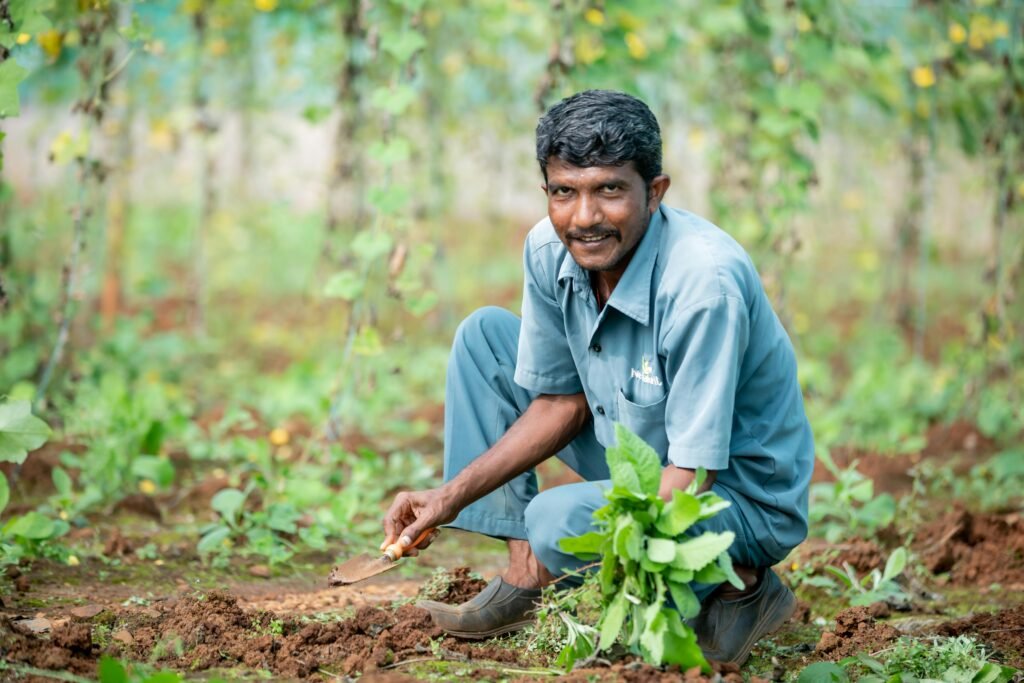
Sustainable farming uses natural methods — like composting, crop rotation, and organic fertilizers — to keep the soil alive and fertile. Healthy soil means healthy food.
2. It Helps Farmers Save Money
Sustainability isn’t just about the environment — it’s also about survival for farmers. By using fewer chemicals and relying more on natural methods, farmers can reduce costs in the long run.
For example, rainwater harvesting and drip irrigation systems save both water and money.
3. It Builds Stronger Communities
When farmers use local seeds, hire local workers, and sell to nearby markets, they help their communities grow. Sustainable farming supports small-scale farmers and promotes fair trade and local economies.
4. It Fights Climate Change
Agriculture is both affected by and contributes to climate change. Sustainable farms use renewable energy, plant trees, and reduce waste — all of which help lower greenhouse gas emissions.
When farmers work with nature instead of against it, the results are long-lasting and climate-friendly.
5. It Ensures Food Security for Future Generations
The global population is growing rapidly, but land and water resources are limited. Sustainable agriculture focuses on producing more food without exhausting natural resources — ensuring our children and grandchildren can still enjoy fresh, healthy food.
Simple Sustainable Practices Every Farmer Can Try
Here are a few easy, practical ways farmers can move toward sustainability:
- Rotate crops each season to maintain soil fertility.
- Use organic compost instead of chemical fertilizers.
- Harvest rainwater and use drip irrigation to save water.
- Grow native and drought-resistant crops.
- Integrate livestock and crops to recycle nutrients naturally.
You can explore more practical ideas in our upcoming post on Smart Irrigation Techniques for Sustainable Water Use (coming soon on Agri Conserve).
A Hopeful Future
Sustainable farming is not about going back in time — it’s about moving forward wisely. It’s a promise to protect the earth while feeding its people.
As farmers, consumers, and global citizens, each of us can play a part. Whether it’s by supporting local farmers, reducing food waste, or adopting green practices, every step matters.
The future of farming is green, balanced, and full of hope — and it begins with sustainability.