
The Food and Agriculture Organization (FAO) has released its 2025 State of Land and Water Resources for Food and Agriculture (SOLAW 2025) report, highlighting the untapped potential of land, soil, and water to strengthen sustainable farming and global food security. With arable land becoming increasingly scarce and natural resources under heavy strain, the report emphasizes the need for innovative agricultural practices that maximize efficiency rather than expanding land use.
Understanding the SOLAW 2025 Report
SOLAW 2025 focuses on leveraging underused capacities in land, soil, and water to improve crop productivity, ecosystem services, and resilience against climate challenges. Moreover, it calls for a shift from land expansion to smarter management of existing resources, ensuring that agriculture can meet growing food demands without further harming the environment.
Key Challenges in Global Agriculture
Agricultural expansion is no longer a sustainable solution. In fact, more than 60 percent of human-induced land degradation directly affects farmland, while agriculture consumes over 70 percent of global freshwater. Additionally, intensive farming practices and excessive chemical use have contributed to pollution and the depletion of these critical resources, raising urgent concerns for long-term sustainability.
Sustainable Solutions for Farmers
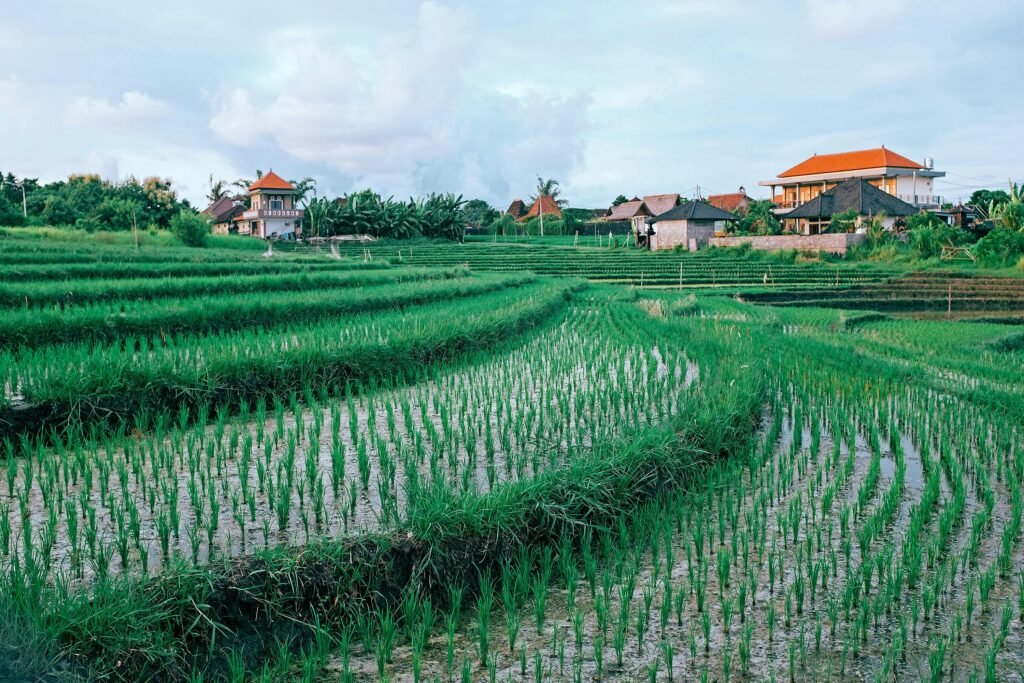
Improving the productivity of rainfed agriculture emerges as a primary solution. For example, conservation farming, drought-tolerant crops, and soil moisture retention techniques can enhance yields while maintaining healthy ecosystems. Furthermore, crop diversification and other sustainable practices not only secure livelihoods but also reduce the need for additional land or water, making them essential for future food security.
Implications for India and Beyond
For countries like India, where agriculture relies heavily on rainfed systems, SOLAW 2025 offers practical strategies for climate adaptation. By adopting efficient water use, soil protection methods, and agri-tech innovations, farmers can minimize degradation and build resilient farming systems. Therefore, policymakers and agricultural stakeholders are encouraged to integrate these approaches to achieve sustainable and productive agricultural landscapes.
In conclusion, by focusing on efficiency, innovation, and ecosystem-friendly practices, the global farming community can address resource scarcity and ensure food security for generations to come.
