
Water is life for every farm. But with growing water scarcity and unpredictable climate patterns, using every drop wisely has become essential. Smart irrigation techniques are helping farmers worldwide manage water efficiently, boost yields, and protect the environment – all at once.
Why Smart Irrigation Matters
Traditional irrigation methods often waste a lot of water through evaporation, runoff, or uneven distribution. In contrast, smart irrigation uses technology and data to deliver the right amount of water at the right time, ensuring crops get exactly what they need – no more, no less.
This approach not only conserves water but also improves soil health, reduces energy costs, and supports sustainable farming for the future.
Top Smart Irrigation Techniques
1. Drip Irrigation – Precision at Its Best
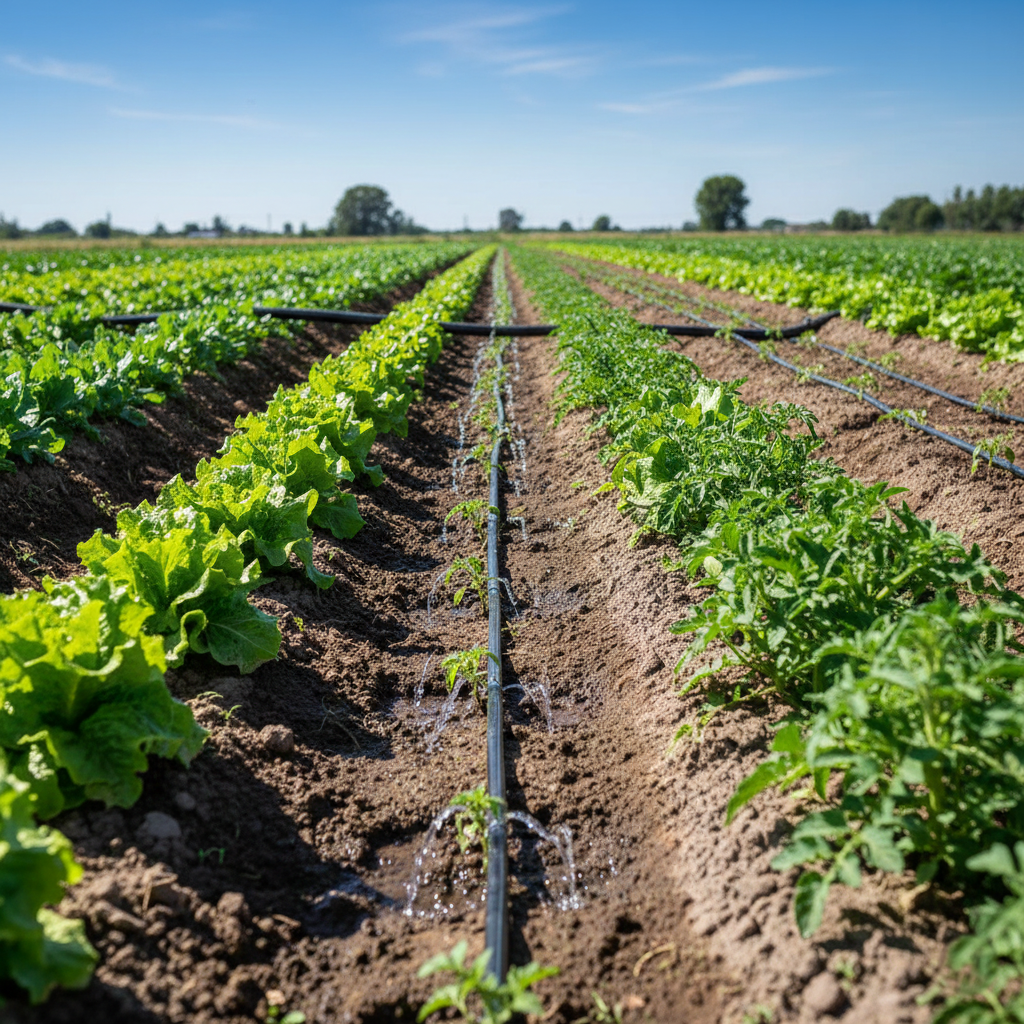
Drip irrigation delivers water directly to the plant roots through small tubes. It minimizes evaporation and ensures every drop counts. It’s ideal for dry regions and works well for fruit and vegetable crops.
2. Sprinkler Systems – Controlled Watering Made Easy
Sprinkler systems distribute water evenly across fields, similar to natural rainfall. Modern automated systems can adjust timing and pressure, reducing wastage and improving efficiency.
3. Soil Moisture Sensors – Watering Based on Need
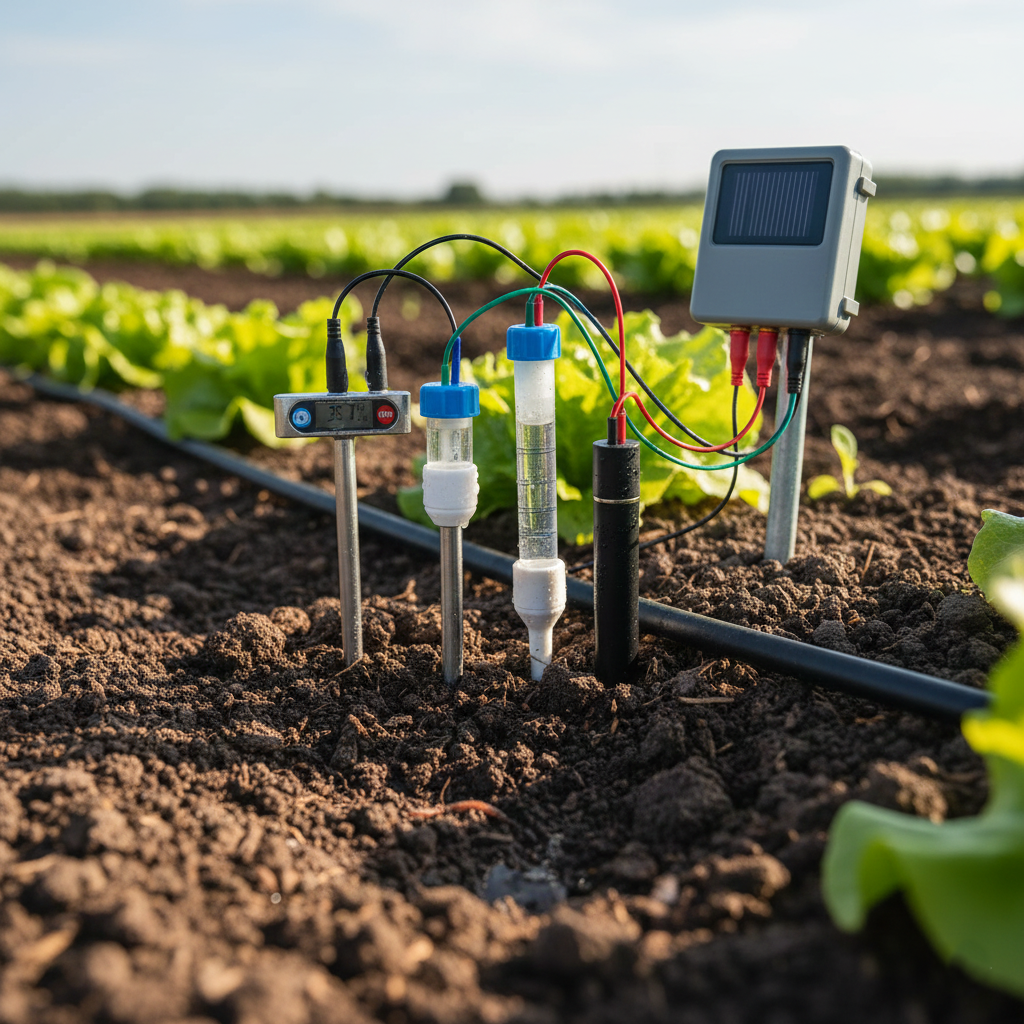
These sensors measure how much moisture is in the soil and send data to farmers in real-time. This allows irrigation only when the soil actually needs water, preventing both overwatering and drought stress.
4. Weather-Based Irrigation Controllers
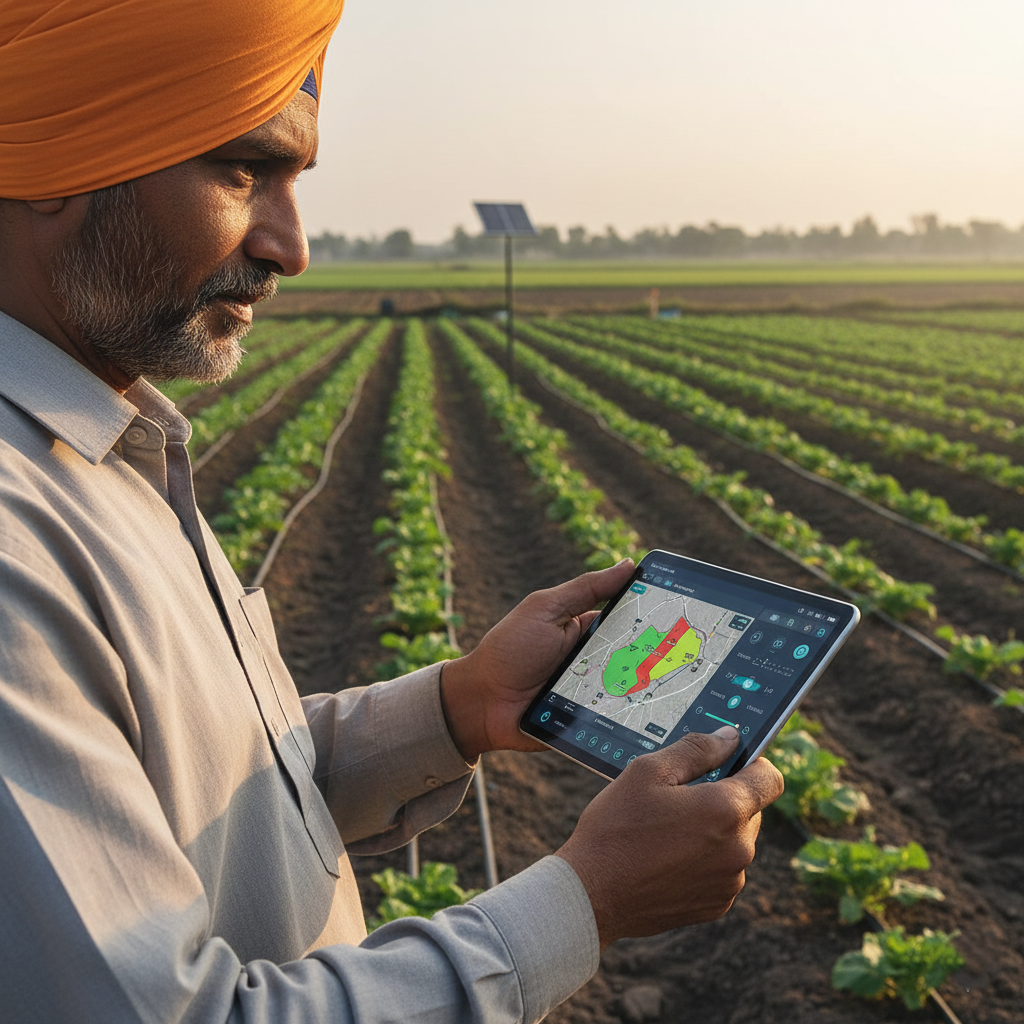
Smart controllers use local weather data to predict rainfall and adjust watering schedules automatically. This simple system can save up to 30–50% of water compared to traditional irrigation methods.
5. Rainwater Harvesting – Using Nature’s Gift
Collecting and storing rainwater is an age-old practice that complements modern irrigation. When combined with drip or sprinkler systems, it provides a sustainable backup during dry periods.
The Future of Sustainable Water Use
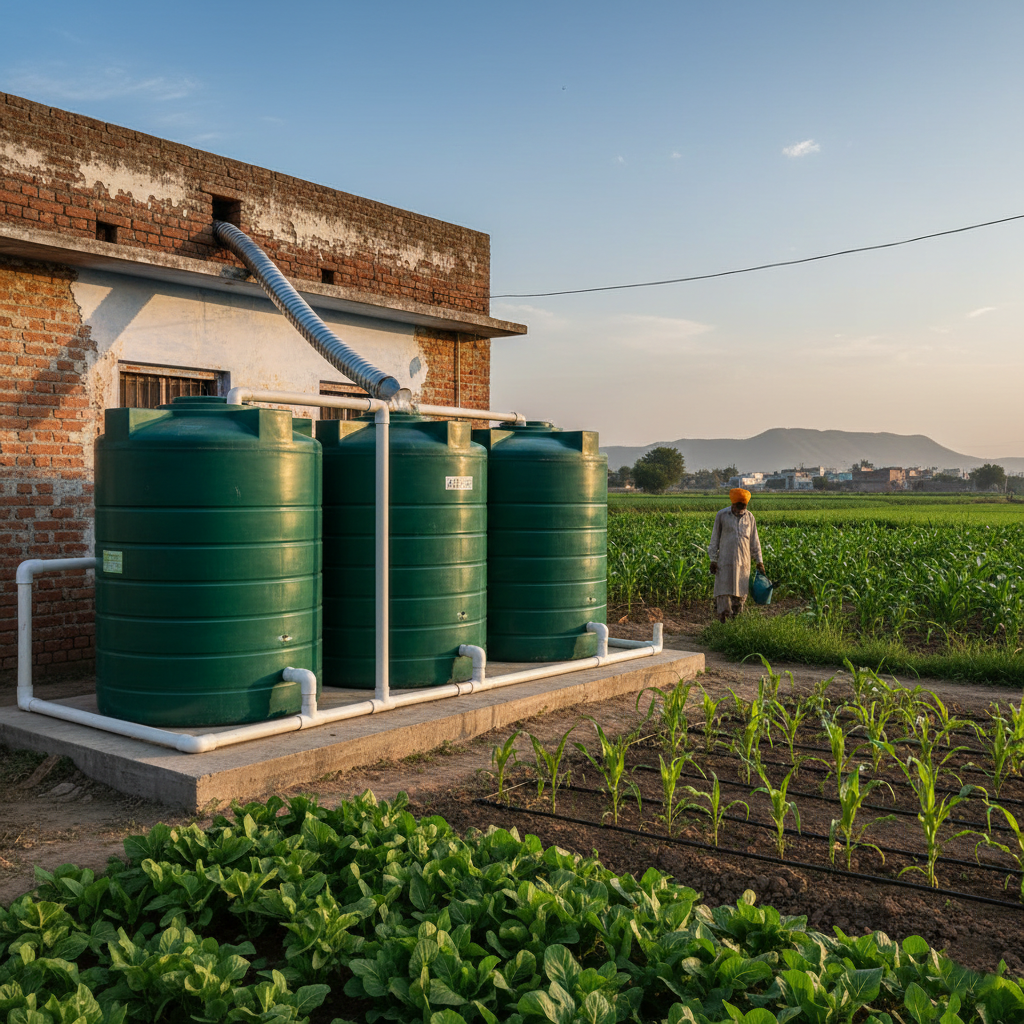
Smart irrigation is not just about technology – it’s about building a sustainable relationship with nature. By optimizing water use, farmers can reduce costs, improve productivity, and protect the planet’s most precious resource.
If you’re exploring more sustainable farming methods, check out these related posts:
- Crop Rotation: A Simple Strategy for Long-Term Soil Health
- The Power of Cover Crops: Building Soil the Sustainable Way
- Composting 101: Boosting Soil Fertility Naturally
