Regenerative agriculture is redefining how food is grown by putting soil health and ecosystem recovery at the center of farming. Unlike conventional practices that often exhaust the land over time, this approach focuses on rebuilding natural systems. The result is farmland that becomes more productive, resilient, and environmentally responsible with each growing season.
Understanding the Core Principles of Regenerative Agriculture
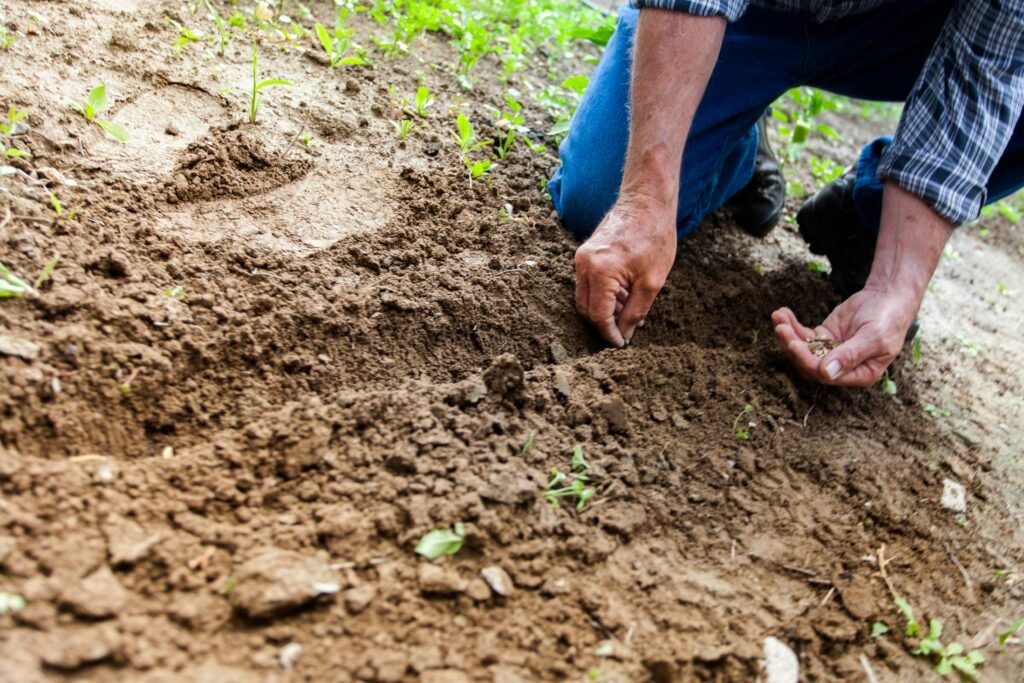
At its foundation, regenerative agriculture works with nature rather than against it. Farmers reduce soil disturbance to protect its structure and living organisms. Cover crops are planted between growing seasons to shield the soil, retain moisture, and add organic matter. Crop rotation prevents nutrient depletion and limits pest pressure, while integrated livestock grazing supports natural fertilization and soil aeration.
Together, these practices reduce dependence on synthetic fertilizers and pesticides. As chemical inputs decline, beneficial microbes thrive, improving nutrient availability and strengthening soil structure naturally.
Environmental Benefits That Go Beyond the Farm
One of the most significant advantages of regenerative agriculture is its impact on the climate. Healthy soils store carbon, helping lower greenhouse gas concentrations and support climate stability. Increased organic matter also improves water retention, reducing erosion and runoff during heavy rainfall.
As soil health improves, biodiversity follows. Farms adopting regenerative methods often become habitats for pollinators, birds, and other wildlife. Over time, these systems transform farmland into carbon-absorbing landscapes rather than sources of emissions.
How Farmers Benefit Economically and Practically
Farmers who adopt regenerative practices often report more consistent yields, even during droughts or extreme weather. Improved soil structure allows crops to access water more efficiently, reducing stress during dry periods.
Input costs also tend to fall. With less need for chemical fertilizers and pesticides, farmers save money while improving long-term soil fertility. For small and medium-scale producers, this can mean better profit margins, improved food security, and access to premium markets that value sustainably grown produce.
Proven Success in Real-World Settings
Across different regions, regenerative agriculture has shown measurable results. In parts of Kenya, farmers practicing cover cropping and composting have seen maize and bean yields double. In the United States, studies on row-crop farms reveal that regenerative systems can match conventional yields while significantly increasing soil organic matter.
These outcomes are not limited to large operations. Small farms and even backyard plots worldwide demonstrate that regenerative practices can scale effectively across different climates and land sizes.
Practical Steps to Begin the Transition
The journey toward regenerative farming often starts with soil testing to understand existing conditions and nutrient gaps. Introducing cover crops between main planting seasons is a practical first step. Over time, farmers can add diverse crop rotations and integrate livestock where suitable to create balance within the system.
Many organizations offer training, technical guidance, and access to carbon credit programs to support this transition. Tracking progress through yield data and soil health indicators helps farmers refine their approach and achieve long-term success.
Leave a Reply