
Natural seed systems form the foundation of truly sustainable farming. By relying on traditional knowledge and chemical-free practices, farmers can encourage strong germination and healthier crops from the very beginning. These methods support natural farming principles while improving crop resilience, soil health, and long-term farm sustainability.
Why Seed Choice Matters in Natural Farming
Selecting the right seeds is the first step toward a successful harvest. Open-pollinated and heirloom seeds are especially valuable because they are well adapted to local climate and soil conditions. Farmers can save these seeds and reuse them season after season, reducing dependence on external suppliers.
In contrast, hybrid and genetically modified seeds often require higher inputs and do not allow reliable seed saving. Avoiding these options helps preserve biodiversity and strengthens farmer self-reliance over time.
Producing and Saving Seeds on the Farm
Seed production should be done carefully to maintain purity and quality. Choose plots that are free from weeds and unwanted plant varieties to reduce the risk of cross-pollination. During crop growth, regularly remove unhealthy or off-type plants so only the strongest plants contribute seeds.
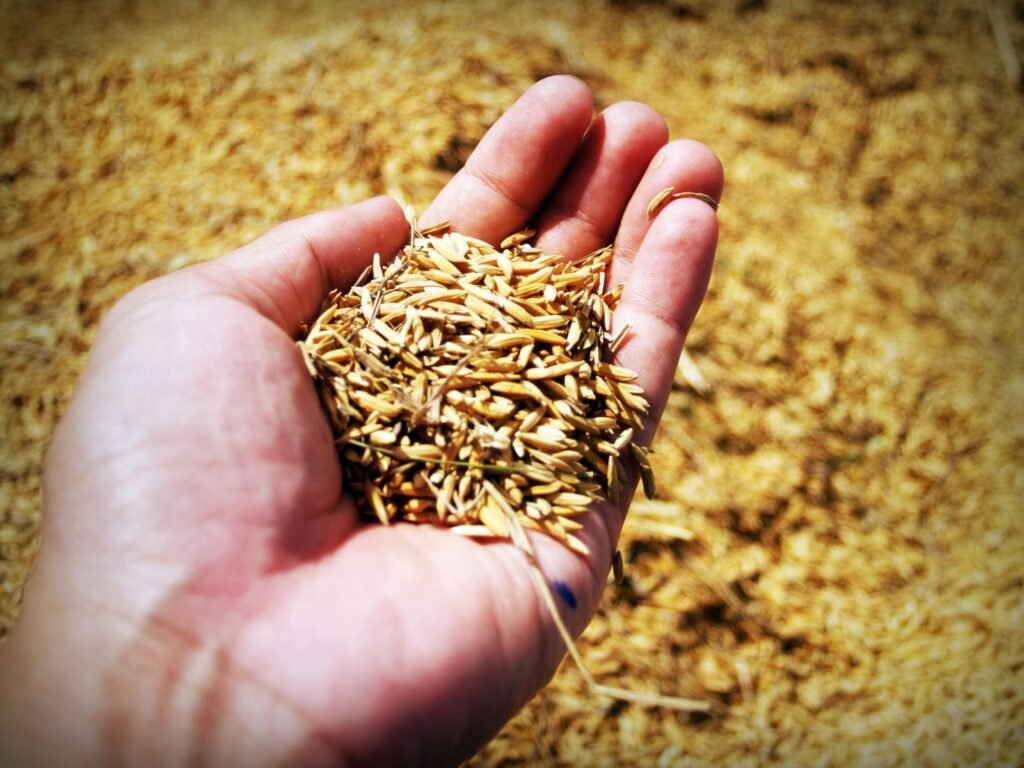
Harvest seeds when moisture levels are ideal, as overly wet or dry seeds can lose viability. After harvesting, clean the seeds thoroughly to remove debris and damaged grains. Properly stored, clean seeds ensure better performance in the next growing season.
Beejamrit as a Core Seed Treatment
Beejamrit is a widely used natural seed treatment that protects seeds from harmful pathogens and supports early sprouting. It is simple to prepare and uses locally available ingredients.
To make Beejamrit, mix 5 kilograms of fresh cow dung, 5 liters of cow urine, 50 grams of lime, a handful of native farm soil, and 20 liters of water. Stir the mixture well and allow it to ferment overnight. Coat the seeds evenly with this solution and dry them in the shade before sowing.
This treatment helps strengthen seedlings naturally and reduces the risk of early-stage diseases.
Other Natural Seed Treatment Methods
Several additional treatments can be used depending on crop type and local conditions. Hot water treatment at around 53 degrees Celsius for 20 to 30 minutes can control seed-borne fungal infections. Asafoetida soaked in water provides natural antifungal protection, while turmeric mixed with cow urine helps defend against soil-related diseases.
A short dip in Panchagavya can also stimulate germination and early plant growth. These methods offer effective protection without harming soil life.
Benefits of Treating Seeds Naturally
Naturally treated seeds often show higher germination rates and stronger early growth. Seedlings are more resistant to infections, leading to better field establishment. This reduces the need for corrective treatments later in the season.
Over time, these practices help create balanced farm ecosystems that remain productive without heavy chemical inputs.
Practical Steps for Farmers
Farmers should source seeds from local seed custodians or community seed banks that understand regional conditions. Starting with familiar crops allows better control over seed quality and treatment methods. Saving seeds from the healthiest plants ensures continuous improvement.
Exchanging seeds and knowledge with other farmers strengthens local food systems and supports long-term agricultural resilience.
