

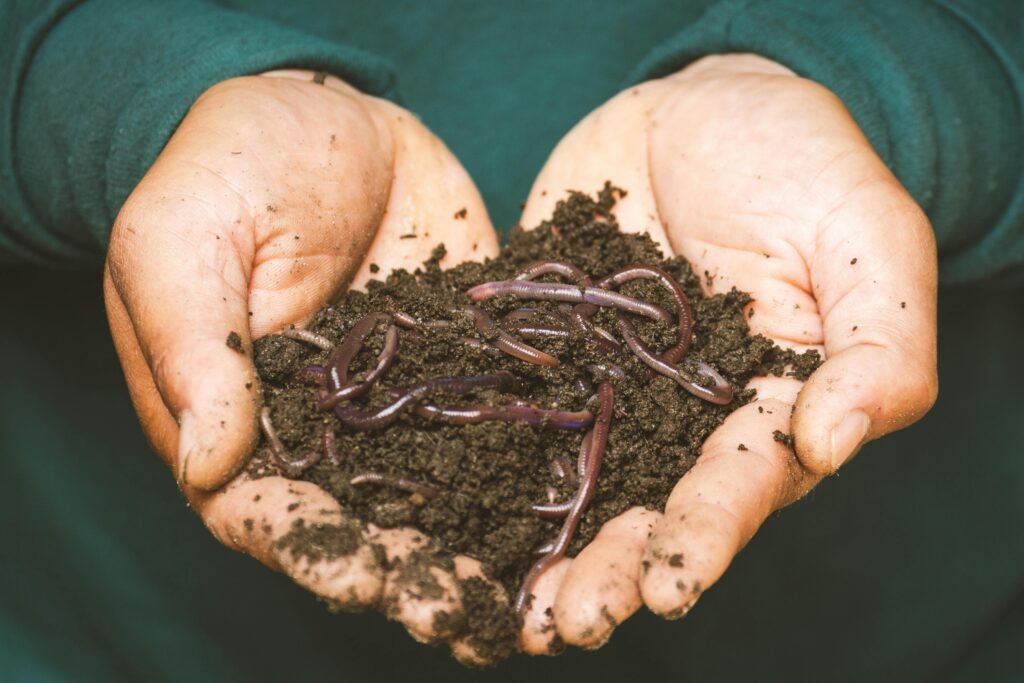
Living soil reflects nature’s ability to repair itself when given the right conditions. Just like a healthy body recovers through rest and nourishment, soil can regain fertility through biological processes rather than chemical intervention. Near Hyderabad, Farm Natura is demonstrating how land once considered exhausted can be brought back to life using simple, nature-based practices.
This approach challenges the idea that productivity depends on synthetic fertilizers. Instead, it places trust in soil biology and long-term ecosystem balance.
Soil Functions as a Living Ecosystem
Healthy soil is not inert. It is a complex, living system filled with microorganisms, fungi, plant roots, and insects that work together to cycle nutrients and store water. Microbes break down organic matter and convert it into forms that plants can absorb naturally.
When farming methods support this biological network, soil becomes self-sustaining. Natural farming focuses on feeding the soil rather than forcing nutrients into plants. Over time, this leads to stronger crops and stable yields without degrading the land.
How Nature Repairs the Land Step by Step
Soil regeneration follows a clear natural sequence. The first stage is rest, allowing microbial life to recover. Next comes the removal of compaction and leftover residues that restrict air and water movement. The final stage involves rebuilding organic matter through plant diversity and natural inputs.
Deep-rooted plants play a crucial role by drawing minerals from lower soil layers. Mycorrhizal fungi then distribute these nutrients across the root zone. This process closely resembles human healing, where recovery begins with rest before strength returns.
Simple Techniques That Revive Soil Health
Farmers using regenerative methods often rely on fermented plant extracts made from locally available weeds such as nettle or comfrey. These fermented plant juices introduce beneficial microorganisms without disturbing soil balance.
Applied as soil drenches or foliar sprays, they improve nutrient absorption and boost natural disease resistance. Many farmers report visible improvements within a few growing seasons, including healthier roots and more uniform crop growth.
Why Regenerated Soil Benefits Modern Agriculture
Soil rich in organic matter holds moisture more effectively, reducing irrigation requirements and lowering the risk of erosion. Crops grown in living soil show greater tolerance to drought, pests, and temperature stress.
For farms on the outskirts of growing cities, these practices can turn unproductive land into resilient agricultural systems. Reduced dependency on external inputs also lowers long-term costs, making farming more economically stable.
How Farmers Can Begin Soil Regeneration
The process starts with understanding the current condition of the soil. Basic soil testing helps assess pH levels and biological activity. Cover crops can then be introduced to protect the surface, improve aeration, and support microbial life.
Compost teas or natural microbial solutions help accelerate recovery. Progress can be monitored through plant vigor, root development, and the presence of earthworms. Most improvements become noticeable within six to twelve months.
