

Modern farming faces a big challenge – controlling pests without harming the environment. That’s where Integrated Pest Management (IPM) comes in. It’s a sustainable approach that uses nature’s own methods to keep crops healthy and thriving, reducing the need for harmful chemicals.
What Is Integrated Pest Management (IPM)?
Integrated Pest Management (IPM) is a smart farming strategy that combines biological, cultural, physical, and chemical tools to manage pests efficiently. Instead of relying only on pesticides, IPM focuses on prevention, observation, and control using eco-friendly practices.
1. Prevention First – Stop Pests Before They Start
Healthy soil, clean equipment, and crop rotation can prevent pest outbreaks. When you grow strong, disease-resistant crops and maintain biodiversity, you naturally reduce pest attraction. You can learn more about improving soil quality in our blog – Crop Rotation: A Simple Strategy for Long-Term Soil Health.
2. Monitor and Identify Pests Accurately
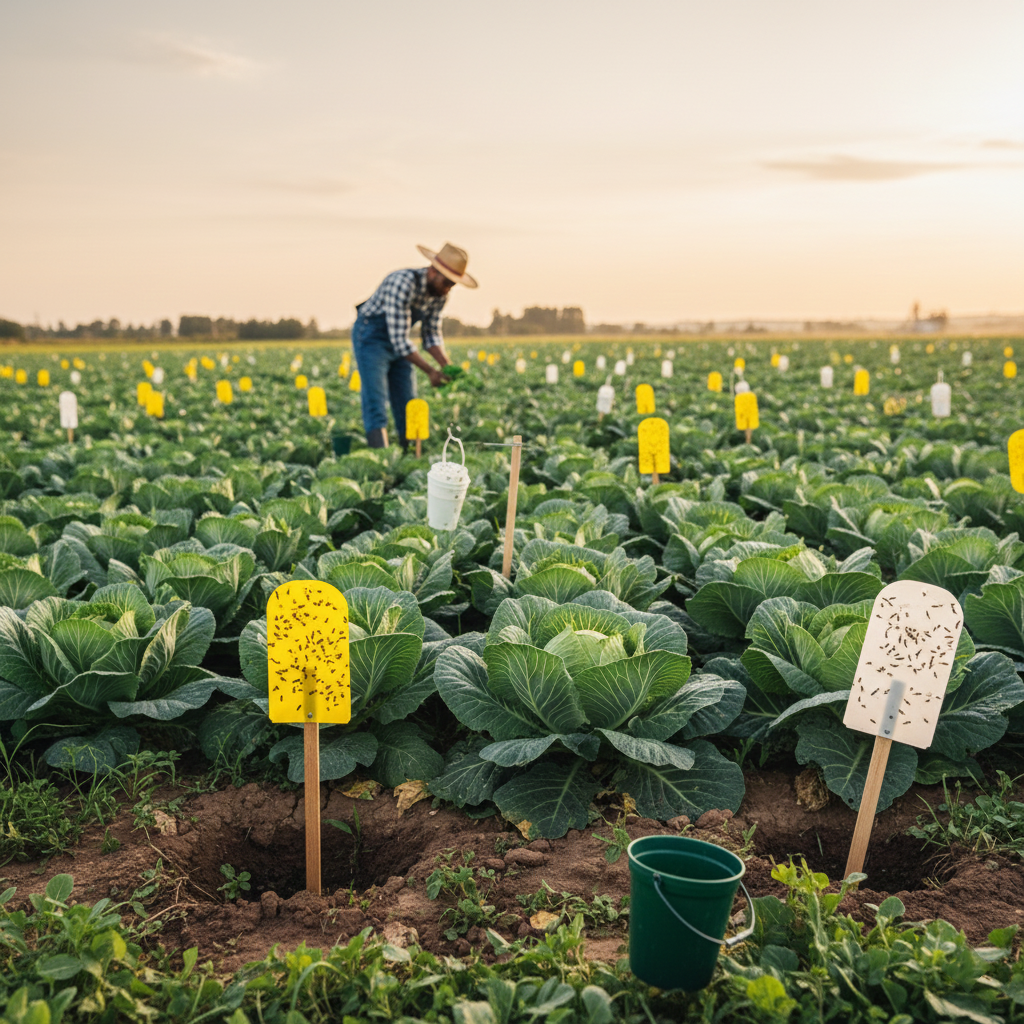
Not every insect is a pest! Regular field scouting helps farmers identify which pests are harmful and which are beneficial. This prevents unnecessary pesticide use and keeps the ecosystem balanced.
3. Biological Control – Let Nature Do the Work
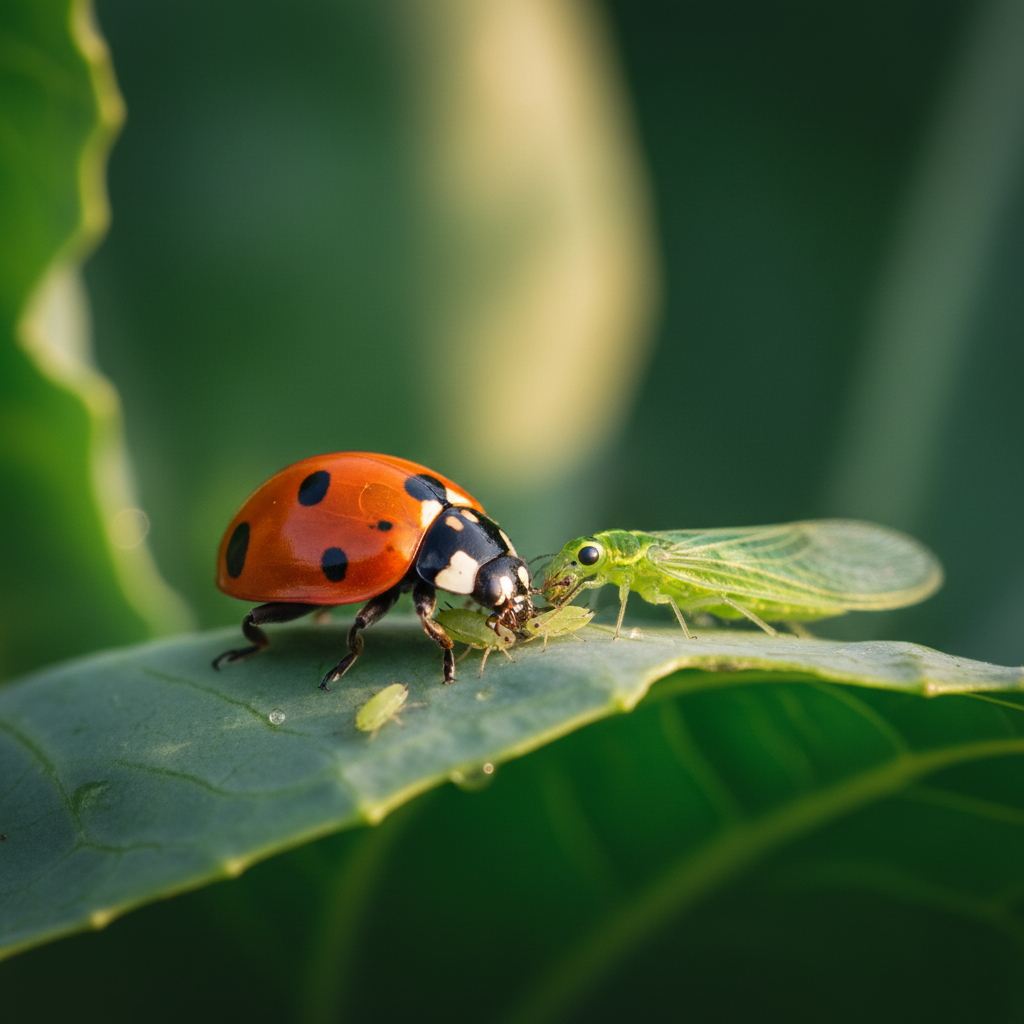
One of the core principles of IPM is biological control, where natural enemies like ladybugs, spiders, and wasps manage harmful pests. Encouraging these helpful insects can keep pest populations under control without chemicals.
4. Cultural and Mechanical Practices
Techniques like proper spacing, intercropping, and tillage help reduce pest habitats. Using traps, barriers, or light-based tools also minimizes infestation without harming crops.
5. Responsible Chemical Use (Only When Needed)
In IPM, pesticides are the last resort, not the first. When chemical treatment becomes necessary, farmers choose targeted, low-toxicity options that cause minimal damage to beneficial insects and the environment.
Why Choose IPM for Crop Protection?
- Reduces pesticide costs and residues.
- Protects pollinators and beneficial insects.
- Improves soil and water health.
- Promotes long-term farm sustainability.
By applying Integrated Pest Management (IPM), farmers can protect their crops the natural way – balancing productivity with environmental care. IPM is not just a method, it’s a mindset toward sustainable farming.
