

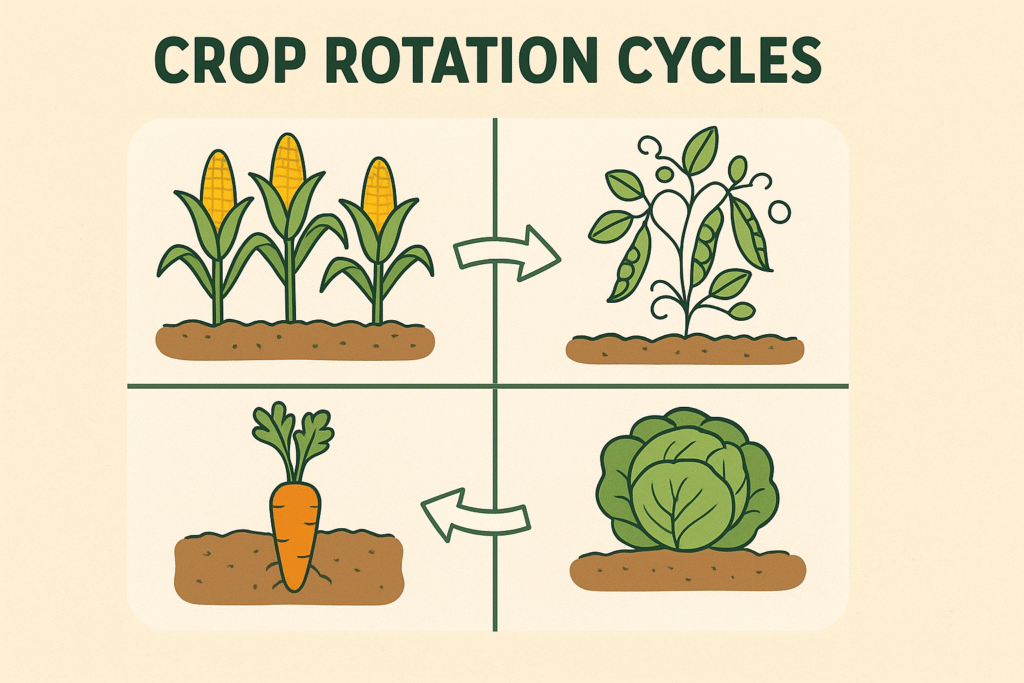
Healthy soil doesn’t happen overnight-it’s built through smart, consistent farming practices. One of the simplest and most effective ways to keep soil fertile and balanced is crop rotation. This age-old technique is the backbone of sustainable agriculture and continues to help farmers maintain productivity while protecting the environment.
What Is Crop Rotation?
Crop rotation means growing different types of crops in the same field across different seasons or years. Instead of planting the same crop repeatedly-which can exhaust nutrients-farmers alternate between crops that replenish and balance the soil naturally.
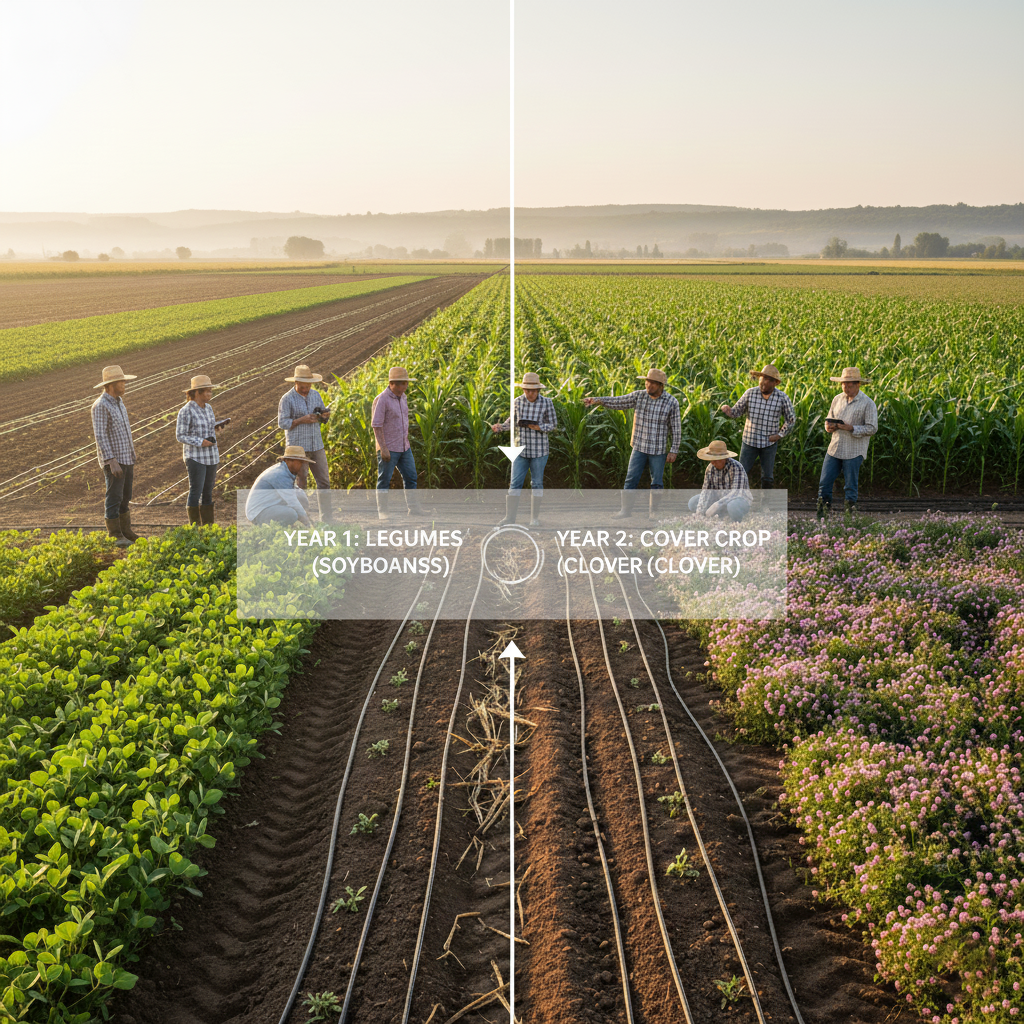
For example, planting nitrogen-fixing legumes like beans after cereals such as wheat or maize helps restore soil nutrients that were used up during the previous season.
Why Crop Rotation Matters for Soil Health
Crop rotation goes beyond just switching crops-it’s about giving the soil time to recover and stay alive. Here’s how it helps:
- Improves Soil Fertility: Different crops use and restore different nutrients, maintaining natural balance.
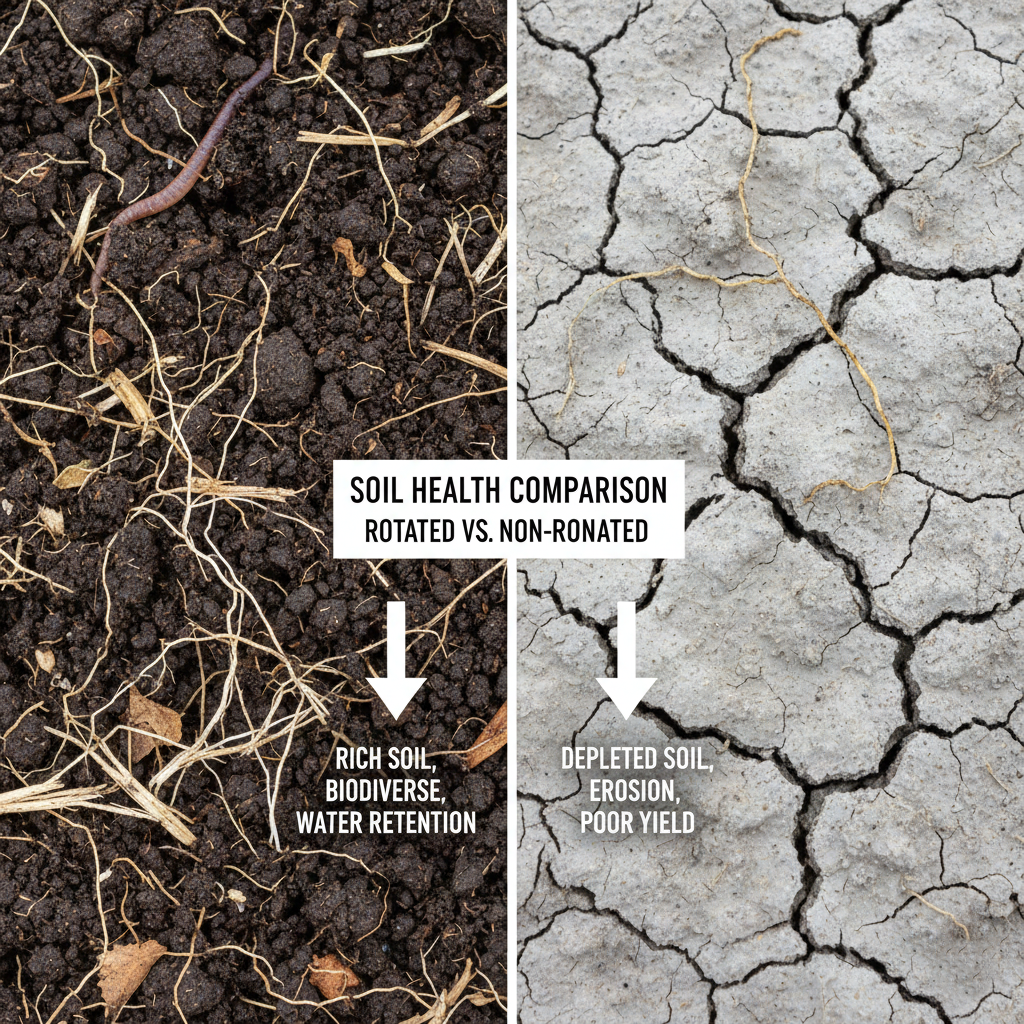
- Prevents Soil Erosion: A variety of root structures hold soil together more effectively.
- Controls Pests and Diseases: Changing crops breaks the life cycles of pests and plant diseases.
- Enhances Organic Matter: Rotating crops increases biodiversity in the soil, improving texture and water retention.
Common Crop Rotation Patterns
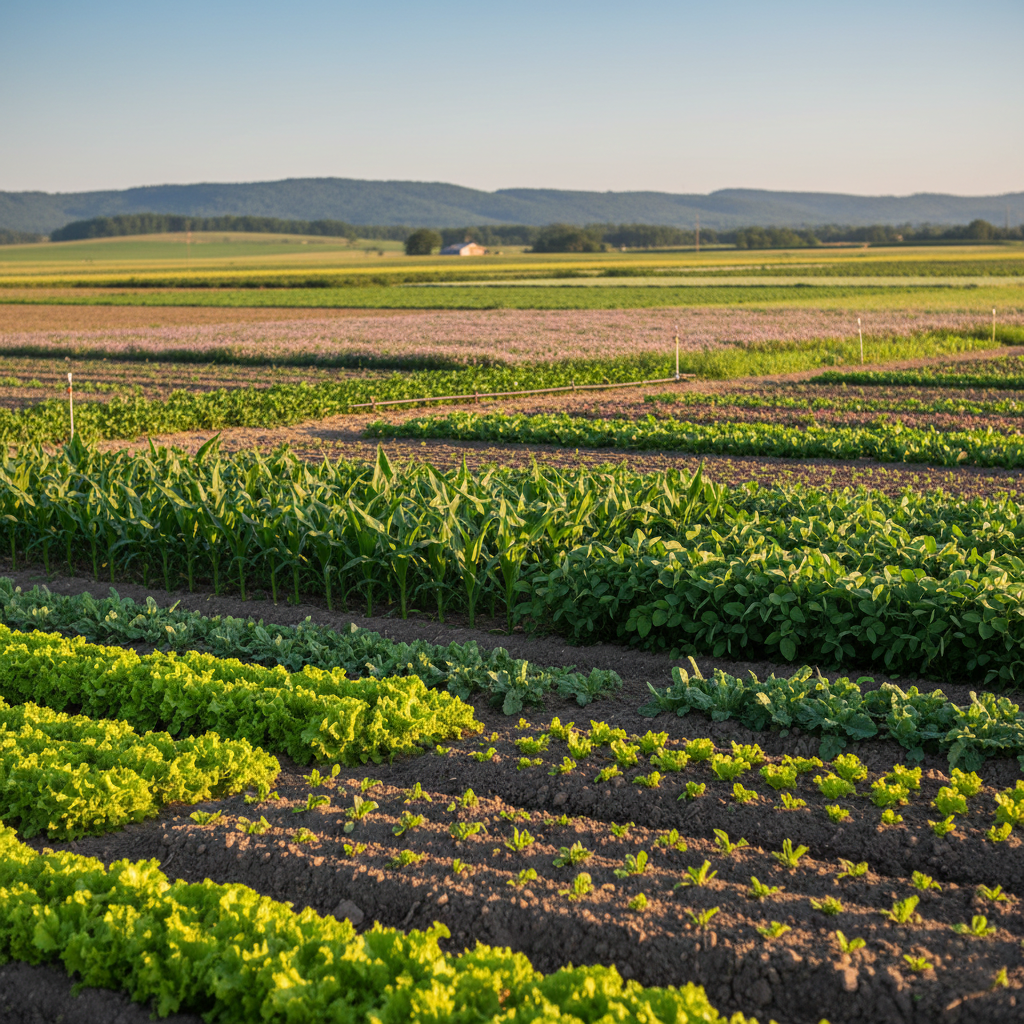
- Two-Year Rotation: Alternating between grains and legumes.
- Three-Year Rotation: Grains → Legumes → Vegetables.
- Four-Year Rotation: Grains → Legumes → Root Crops → Fodder or Green Manure.
These rotations ensure the soil stays nutrient-rich, productive, and ready for each planting season.
Crop Rotation in Sustainable Agriculture
Crop rotation is one of the key pillars of sustainable farming. It reduces the need for chemical fertilizers, prevents long-term soil degradation, and promotes environmental balance.
If you want to learn more about improving soil and sustainable farming, check out these related posts:

Pingback: Integrated Pest Management (IPM): Nature’s Solution - Agri Conserve