
Healthy soil is the heart of every successful farm. But modern farming often strips soil of its nutrients, leaving it weak and lifeless. Composting is the simplest, most natural way to bring soil back to life – and it’s something every farmer, gardener, and grower can do.
What Is Composting?
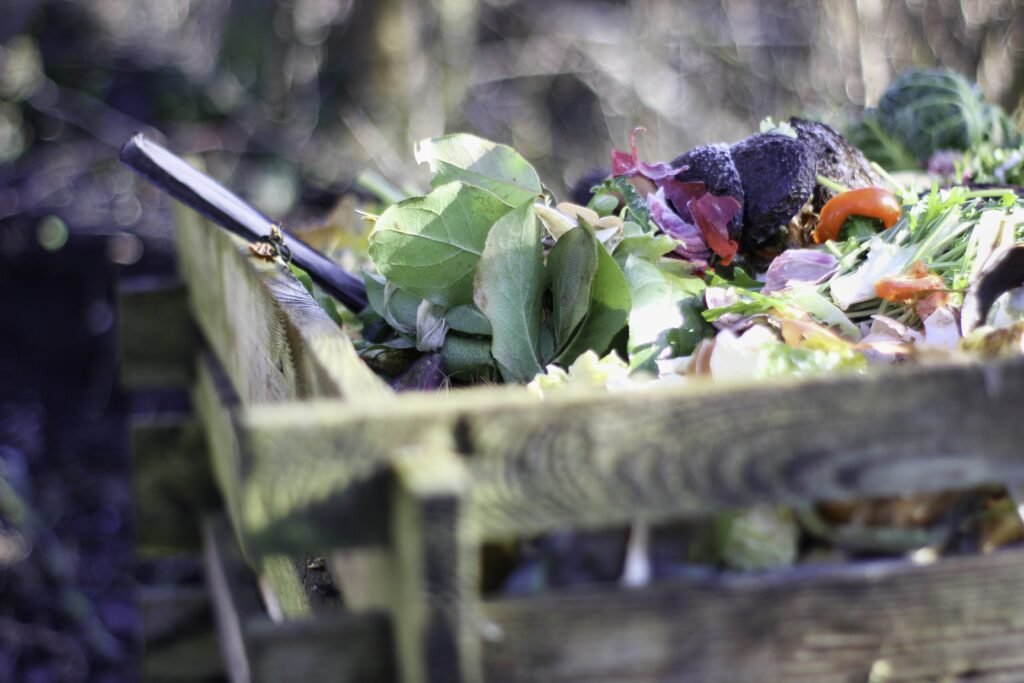
Composting is a natural process where organic waste like food scraps, dry leaves, and crop residues decompose into nutrient-rich humus. This “black gold” boosts soil fertility, improves structure, and supports beneficial microbes that help plants grow stronger.
The Benefits of Composting for Soil Fertility
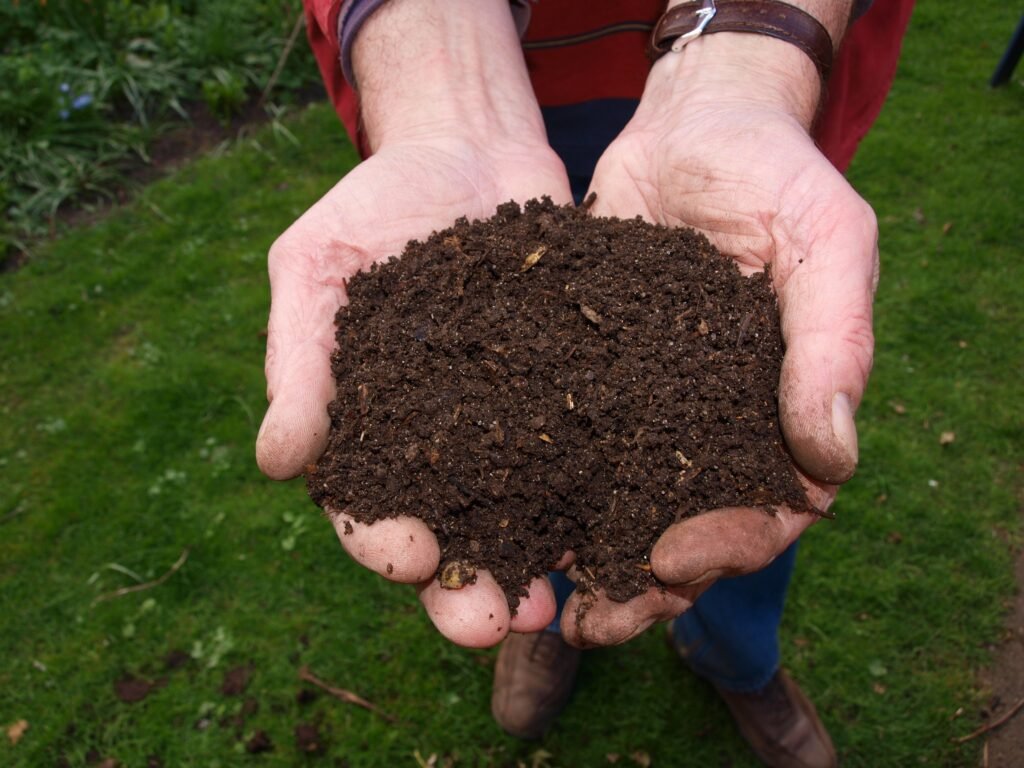
Composting adds essential nutrients like nitrogen, phosphorus, and potassium to the soil – the same ones found in expensive fertilizers. But unlike chemicals, compost releases nutrients slowly and safely, keeping the soil healthy in the long run.
- Enhances water retention – compost improves soil texture, helping it hold moisture.
- Reduces erosion and degradation – healthier soil means less runoff.
- Encourages biodiversity – compost supports earthworms and microbes that enrich the ecosystem.
How to Start Composting
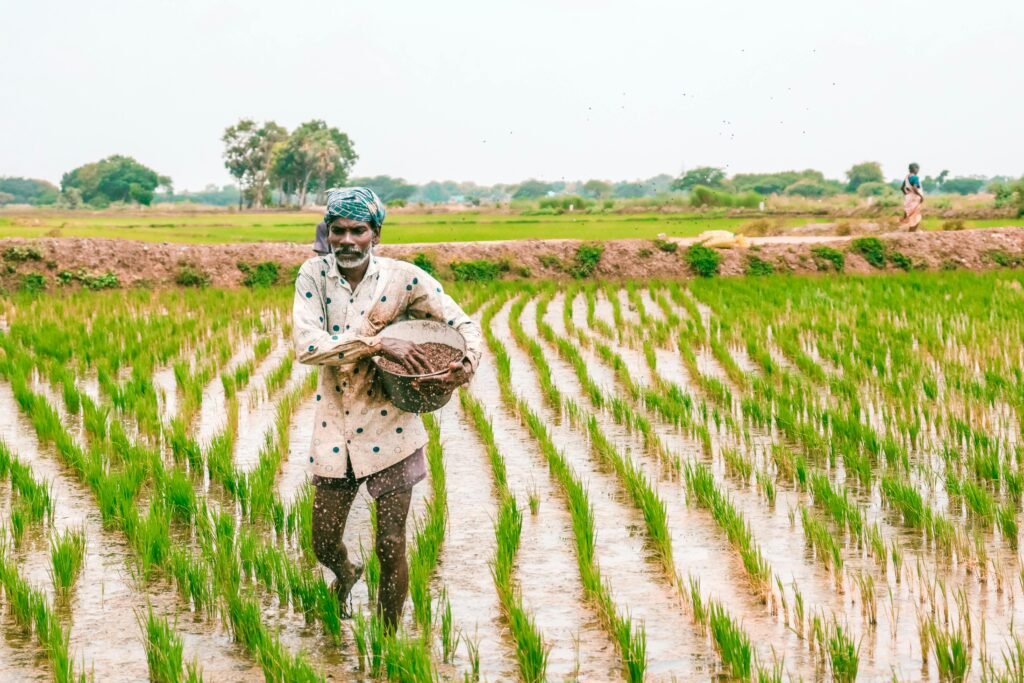
Starting composting is easier than it looks. You can do it in your backyard or even on a small farm.
- Choose a composting spot – a shaded area helps maintain moisture.
- Layer your materials – alternate between green waste (like fruit peels, grass) and brown waste (like dry leaves, straw).
- Keep it moist – water lightly when it feels dry.
- Turn it regularly – aeration speeds up decomposition.
- Wait and harvest – within 2–3 months, you’ll have dark, earthy compost ready to use.
Composting and Sustainable Agriculture
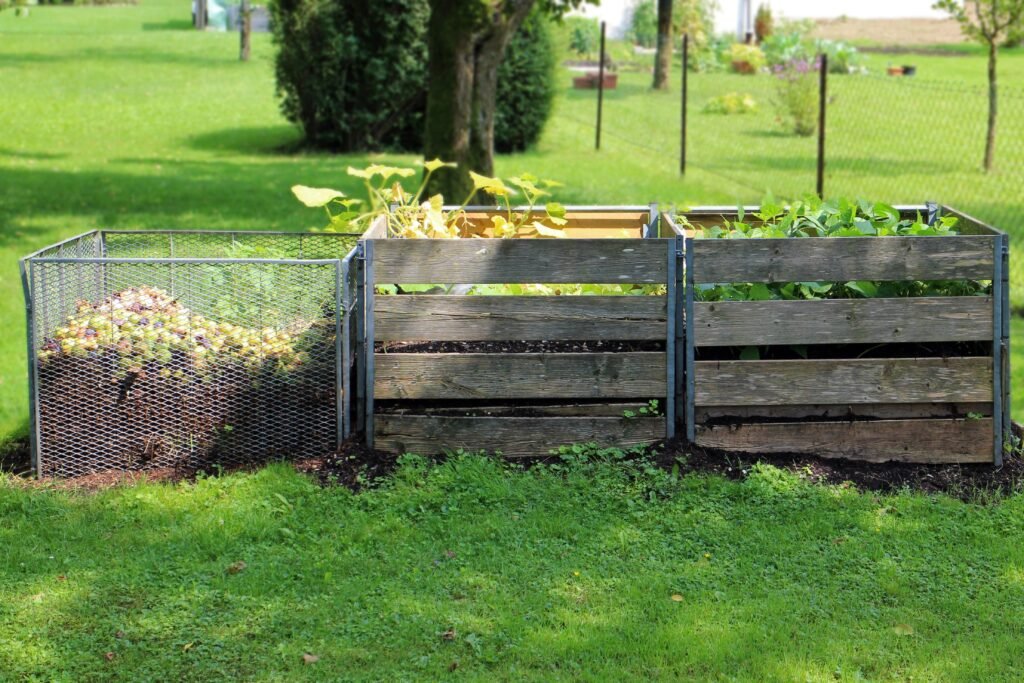
Composting plays a major role in sustainable agriculture, as it reduces waste and improves soil naturally without harming the environment. It’s also a key part of maintaining balance within farming ecosystems.
If you’re learning about sustainable farming, you’ll love our related articles:

Pingback: Crop Rotation: A Simple Strategy for Long-Term Soil Health - Agri Conserve