
This summer has been brutal for much of British agriculture.
Record heatwaves, drought and water shortages have damaged cereals, grasslands and several other crops. Yet in one corner of the agricultural sector, the story is unexpectedly different.
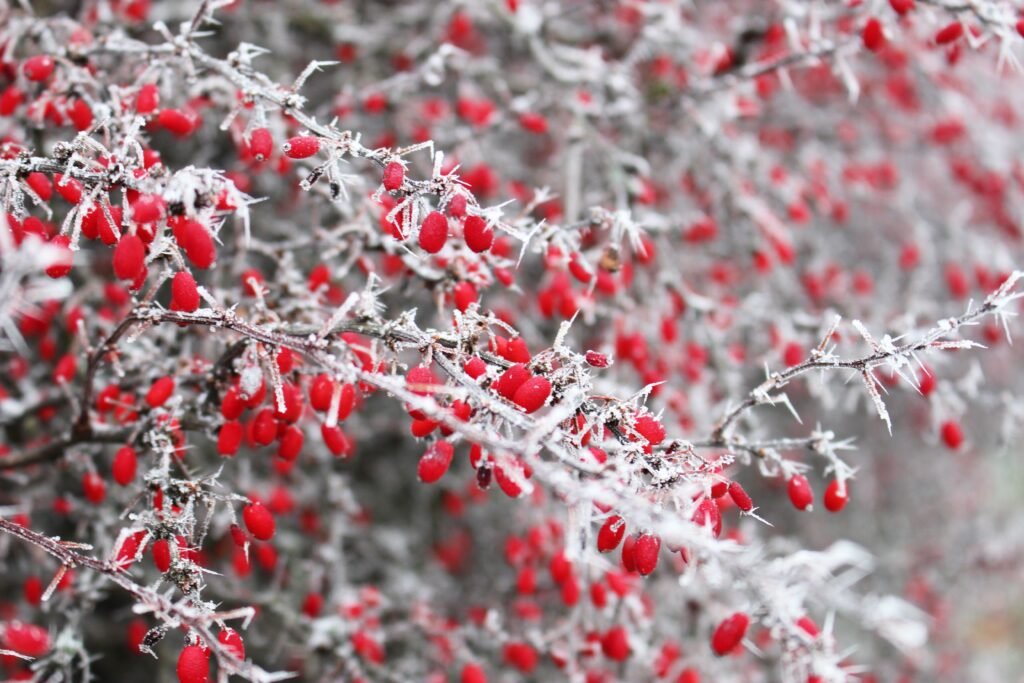
British berry growers are reporting a 6% increase in this year’s harvest compared with 2025, with strong production of raspberries, blueberries and blackberries.
The result may seem surprising after a summer of extreme weather. But it wasn’t simply luck.
The Technology Behind the Berries
Berry growers have spent years investing in infrastructure that gives them more control over growing conditions.
Polytunnels protect crops from some of the worst weather, while advanced drip-irrigation systems allow growers to deliver water directly to plants rather than relying on rainfall.
Those investments became particularly valuable this year.
The intense heat accelerated the growth and ripening of several berry crops, allowing growers to bring significant volumes to market. But the success also shows an important distinction in modern agriculture: the same weather event can create very different outcomes depending on the crop and the infrastructure protecting it. (The Guardian)
A Good Harvest Doesn’t Mean the Problem Is Solved
There is an important catch.
Around 40% of UK berry growers still do not have their own private water sources, leaving them vulnerable when drought restrictions tighten. Late-season strawberries are also expected to perform less strongly because plants have been pushed hard by the conditions.
Other parts of British agriculture have had a much more difficult season, with wheat and spring barley yields reported below the five-year average.
So the berry harvest is not evidence that extreme heat is good for farming.
Instead, it shows what can happen when crop choice, infrastructure and water management work together.
What Other Farmers Can Learn
The lesson goes beyond berries.
As weather becomes less predictable, farmers may increasingly need to invest in systems that give them greater control over water, temperature and growing conditions. That could mean protected cultivation, precision irrigation, better varieties or improved water storage.
It also raises an interesting question about the future of farming.
Will successful agriculture depend less on simply adapting to the weather—and more on building farms that can manage around it?
British berry growers may have offered one possible answer this summer.
Sometimes resilience isn’t about stopping extreme weather. It’s about being prepared when it arrives.
SEO Title: How British Berry Growers Turned Extreme Heat Into a Bigger Harvest