
Forests and water are often seen as separate natural resources, but in reality, they are deeply interconnected and play a vital role in shaping our economies and everyday lives. Each year, the world observes International Day of Forests and World Water Day to highlight their importance.
In 2026, the Food and Agriculture Organization of the United Nations brought these two global events together in Rome. The goal was to emphasize how forests and water collectively support sustainable agriculture, strengthen local economies, and contribute to achieving the Sustainable Development Goals.
Bringing Global Leaders Together for Sustainable Solutions
The discussions held at FAO headquarters brought together policymakers, experts, and civil society representatives. These conversations focused on practical strategies to improve how forests and water resources are managed.
Rather than simply raising awareness, the emphasis was on real-world solutions. The idea was clear: communities across the globe can build stable livelihoods and ensure food security by using these natural resources wisely.
Forests as Drivers of Economic Growth
In 2026, the theme of International Day of Forests highlighted the strong connection between forests and economic development. Forests are not limited to supplying timber or paper. They support a wide range of industries, including agriculture, energy production, construction, and tourism.
Across the world, millions of people rely on forests for their daily needs. From fuel and food to raw materials and income, forests are central to rural life. When managed responsibly, they generate employment opportunities, promote local entrepreneurship, and strengthen small-scale economies.
Sustainable forest management also delivers environmental benefits. It helps regulate climate patterns, improves soil quality, and maintains water cycles. These factors are essential for building resilient agricultural systems and long-term economic stability.
The Role of Water in Daily Life and Gender Equality
Water remains one of the most critical resources for human survival and economic activity. The 2026 focus on World Water Day highlighted the relationship between water access and gender equality.
Globally, billions of people still struggle to access safe drinking water. In many regions, women and girls carry the primary responsibility for collecting and managing water for households, farming, and livestock.
Despite their central role, women often face limited access to infrastructure, financial support, and decision-making opportunities. Addressing these gaps can significantly improve how water systems function.
When women are actively involved in water management and governance, communities tend to experience better resource use, improved sanitation, and stronger food security outcomes. Ensuring equal participation is not just a social priority but also an economic necessity.
Why Forests and Water Must Be Managed Together
One of the key insights from the FAO discussions was the need to treat forests and water as interconnected systems rather than separate challenges.
Forests play a crucial role in capturing rainfall, reducing soil erosion, and naturally filtering water before it reaches rivers and groundwater sources. At the same time, water availability supports forest growth, enhances soil health, and helps ecosystems store carbon and maintain biodiversity.
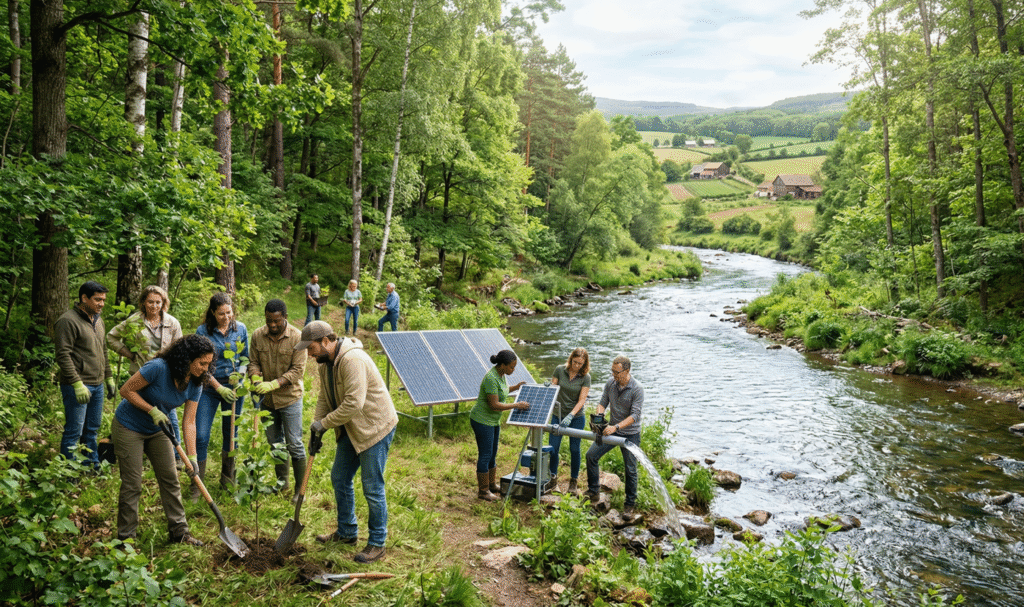
Experts at the event explored this relationship through scientific research and real-world case studies. Many countries are already adopting integrated approaches such as watershed restoration, agroforestry, and basin-level planning. These strategies ensure that both forest conservation and water security are addressed together.
Building a Sustainable and Resilient Future
The combined focus on forests and water highlights an important message for the future. Sustainable management of natural resources is not just an environmental concern but a foundation for economic growth and social well-being.
By aligning forest conservation with water management and inclusive policies, countries can create stronger economies, support rural communities, and move closer to global sustainability targets.
The path forward requires collaboration, innovation, and a long-term vision. When forests and water are protected and managed together, they become powerful drivers of resilience and prosperity.
