
Punjab is set to witness a new agricultural initiative that blends spirituality with modern farming practices. The project, known as Guru Nanak Khet, is being launched in Gurdaspur with the aim of helping farmers rebuild their livelihoods after recent floods while promoting sustainable agriculture.
Inspired by the teachings of Guru Nanak, the initiative promotes the values of honest work and selfless service. At the same time, it introduces innovative farming methods that can help farmers increase productivity while protecting natural resources.
A Vision Born from Flood Relief Efforts
The concept of Guru Nanak Khet emerged during relief work carried out after devastating floods affected several farming communities in Punjab. Volunteers working on the ground realized that short-term aid could not provide a permanent solution for struggling farmers.
Leaders from Akal Purakh Ki Fauj began discussing ways to create a long-term support system for farmers. According to convener Jaswinder Singh Advocate, the project focuses on knowledge-driven agriculture inspired by the principles of “kirat” and “seva”.
The main goal is to equip farmers with modern techniques that are environmentally responsible and financially sustainable. By combining traditional wisdom with modern innovation, the initiative hopes to create a stronger agricultural ecosystem in the region.
Introducing Hydroponic Farming Techniques
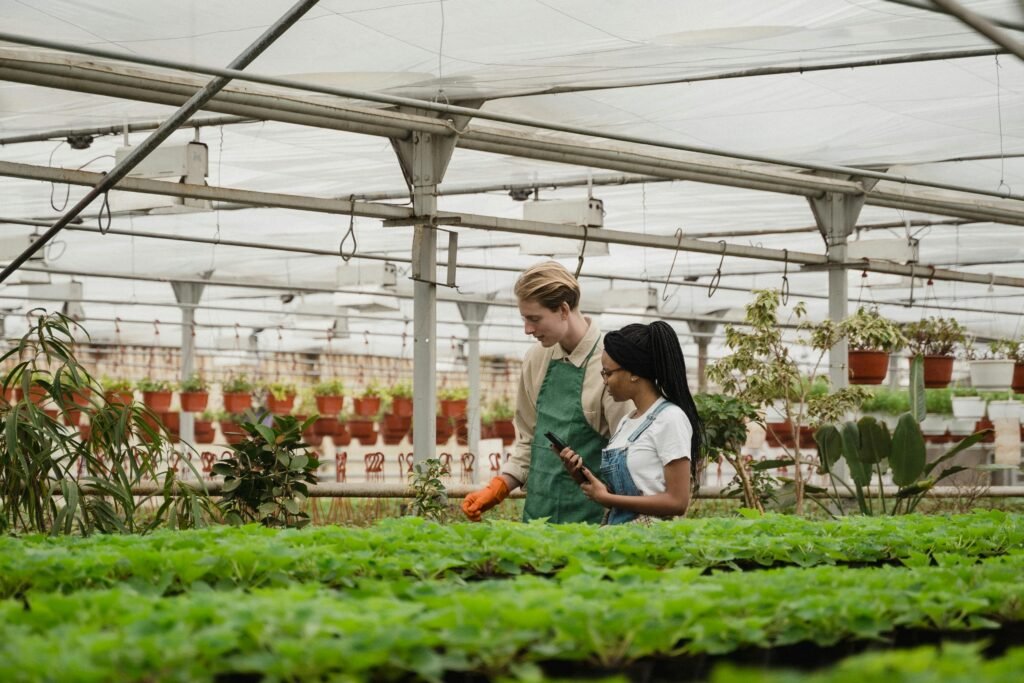
One of the key highlights of the Guru Nanak Khet project is the introduction of hydroponic farming. This method allows plants to grow in nutrient-rich water instead of soil.
Hydroponic systems can reduce water consumption by nearly 90 percent compared to traditional farming methods. In regions like Punjab where water resources are under pressure, such systems could significantly improve long-term sustainability.
Farmers participating in the program will also be trained in:
- Intercropping methods to increase crop diversity
- Water efficient cultivation practices
- Use of traditional seed varieties along with modern systems
This balanced approach aims to produce healthier crops while protecting natural resources.
Sustainability and Higher Productivity
Hydroponics offers several advantages that make it suitable for regions facing environmental challenges.
The system supports vertical farming, which means crops can be grown in stacked layers. This method saves space and reduces soil degradation. Because hydroponic setups recycle water in closed systems, they also minimize waste and improve efficiency.
Another benefit is the reduced dependence on chemical pesticides. Controlled growing environments help maintain crop health while lowering environmental impact.
Experts believe hydroponic farming can deliver strong economic returns for farmers. In many cases, growers report profit margins close to 60 percent due to improved yields and reduced resource consumption.
A Model for Climate Smart Agriculture in India
The Guru Nanak Khet initiative reflects a broader shift in Indian agriculture toward climate resilient farming methods. As water scarcity and unpredictable weather patterns become more common, innovative techniques like hydroponics are gaining attention.
Across India, policymakers and agricultural experts are exploring ways to integrate technology into farming. Future systems may combine hydroponics with renewable energy and artificial intelligence to improve efficiency even further.
For farmers in Punjab, Guru Nanak Khet represents more than just a new technique. It offers a pathway to stable incomes, sustainable practices, and a deeper connection between cultural values and modern agriculture.
