
The latest discussions at the NFU Conference 2026 have brought renewed focus to the future of British agriculture. The UK government has outlined a series of practical measures designed to strengthen farm businesses, improve sustainability, and encourage innovation across the sector.
Secretary of State Emma Reynolds shared updates on funding programs and policy changes aimed at helping farmers navigate climate uncertainty, shifting markets, and rising operational costs. Here is a clear breakdown of what these developments mean for farmers and rural businesses.
Expansion of the Sustainable Farming Incentive
The National Farmers’ Union conference highlighted the continued rollout of the Sustainable Farming Incentive. The scheme remains central to the government’s environmental land management strategy.
The updated framework introduces additional actions and revised payment rates to ensure broader participation. It is designed to support farms of different sizes and production systems while rewarding environmentally responsible practices.
More than 40,000 agreements are already in place. This expansion aims to strengthen farm incomes while encouraging soil health improvement, biodiversity protection, and reduced environmental impact.
£30 Million Boost for Farming Equipment and Technology
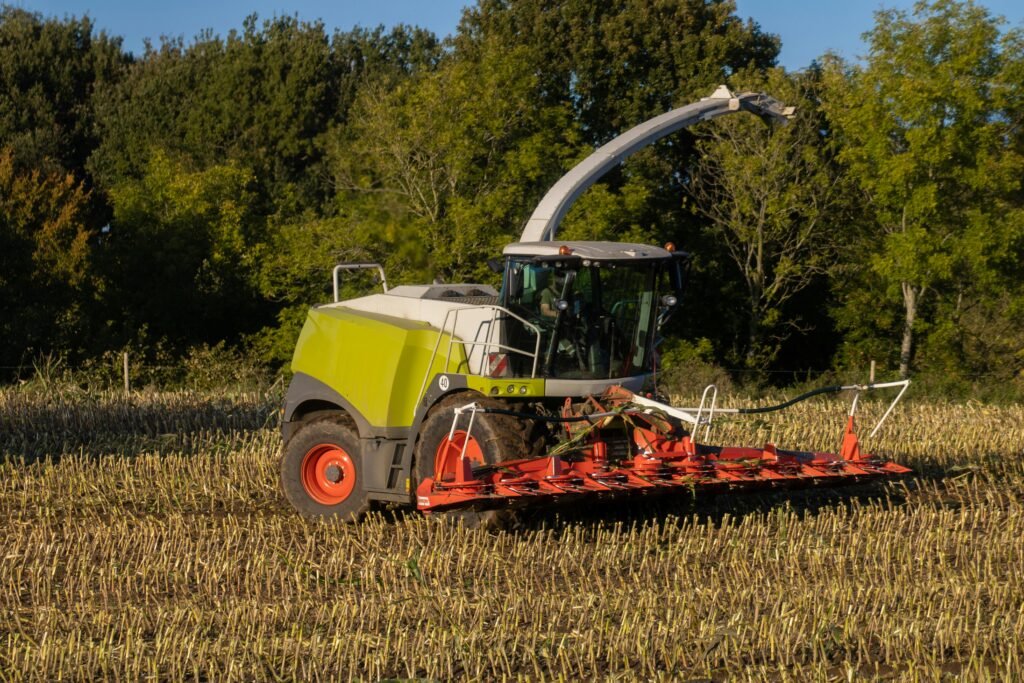
A significant £30 million allocation has been directed toward the Farming Equipment and Technology Fund. The investment supports the adoption of advanced tools such as robotics, precision irrigation systems, and automated equipment.
The goal is clear. Improve efficiency, reduce emissions, and lower production costs.
Application windows are expected to open shortly. To help farmers prepare, guidance webinars will be available explaining eligibility criteria and funding benefits. These grants are particularly relevant for farms looking to modernise operations and remain competitive in a changing marketplace.
Capital Grants for Infrastructure Improvements
Capital Grants funding of up to £20 million will support infrastructure upgrades across the agricultural sector.
Priority areas include:
- Slurry storage systems
- Rainwater management solutions
- Improvements that enhance productivity
- Projects delivering measurable environmental benefits
This second funding round focuses on practical investments that strengthen long term resilience. Detailed guidance will be published on GOV.UK, where farmers can access application information and deadlines.
New Focus on Animal Health and Welfare
Animal health remains a core part of agricultural resilience. A consultation launched on February 24, 2026 invites farmers to share views on disease prevention strategies. The consultation will remain open until May 18, 2026.
In addition, a new poultry welfare grant has been introduced. This scheme supports enhanced biosecurity measures and aims to build stronger, healthier livestock systems.
These steps reflect growing recognition that disease prevention and welfare standards directly impact both productivity and public trust in British farming.
Farming Roadmap and Sector Collaboration
The Farming and Food Partnership Board is leading the development of a new Farming Roadmap. This initiative responds to profitability reviews and aims to provide targeted support for different farming sectors.
Key focus areas include:
- Research into resilient crop varieties
- Improved supply chain efficiency
- Long term strategies to stabilise farm incomes
Collaboration between government, industry leaders, and farmers will be essential to ensure these plans deliver meaningful outcomes on the ground.
What Farmers Should Do Next
Farmers are encouraged to monitor the funding page on GOV.UK for updated announcements and application timelines. Subscribing to official agricultural updates can also help ensure no opportunity is missed.
With climate pressures and market volatility continuing to shape the industry, proactive engagement with these programs may prove critical for building long term farm resilience.
