
Sustainable agriculture is changing rapidly. Women producers and applied science are playing a decisive role in this transformation. Key discussions at EcoFarm 2026 highlighted how female leadership and practical research are shaping resilient and inclusive food systems for today’s farmers.
Women Leading Regenerative Agriculture
Across the agricultural sector, women are strengthening supply chains. They are also improving resilience at the farm level. At EcoFarm, speakers emphasized that women often focus on long-term soil health, equity, and adaptability. As a result, their leadership supports both environmental and economic stability.
Moreover, women bring diverse perspectives to agricultural decision-making. According to Glenda Humiston, Vice President for Agriculture and Natural Resources at the University of California, women’s participation improves agricultural systems worldwide. Their involvement encourages balanced solutions that benefit farmers and communities alike.
Connecting Research With On-Farm Practice
Equally important, EcoFarm focused on closing the gap between research and field application. The event brought together farmers, scientists, and local organizations. Through workshops and farm tours, participants explored organic and regenerative practices that can be applied immediately.
For example, growers valued sessions that addressed real challenges such as soil management and regulatory compliance. In addition, support from UC ANR helps producers turn research into action. This guidance makes sustainable practices more practical and cost-effective.
Expanding Access for Underserved Farmers
At the same time, expanding access to knowledge remained a central theme. Many initiatives now focus on farmers who face systemic barriers. Community partnerships are helping bridge these gaps through education and technical support.
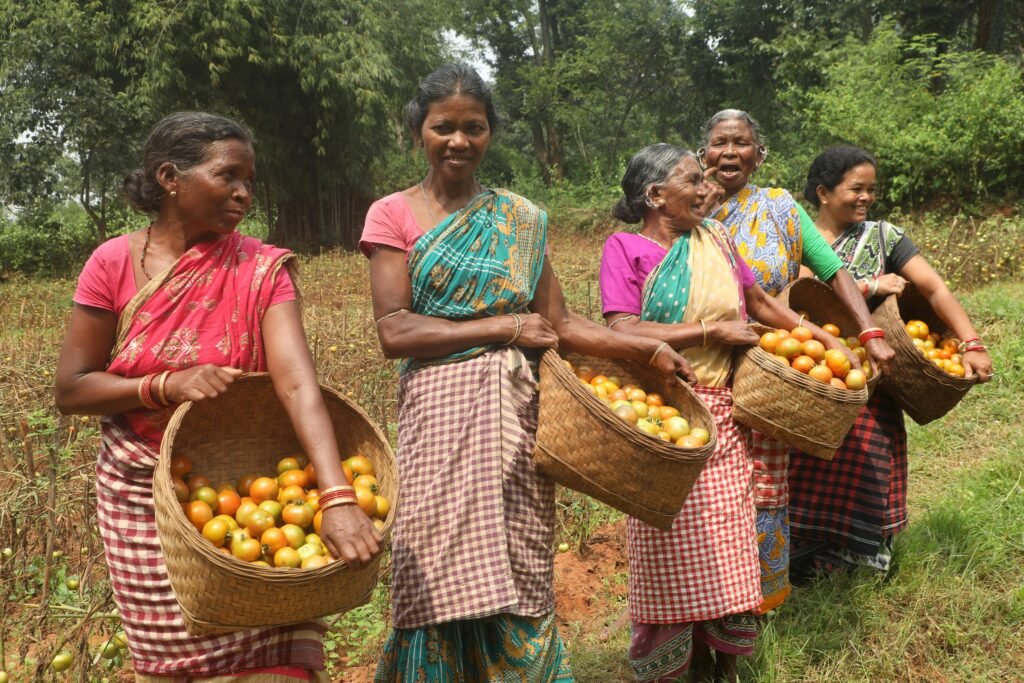
Programs like California’s Climate Smart Land Management Program assist farmers in adopting climate-resilient methods. Similarly, women-led maize farming groups in India demonstrate the value of collective action. By sharing resources, they reduce costs and improve yields while protecting the environment.
Real-World Examples of Women-Led Impact
Beyond conferences, real-world examples show the power of women in sustainable agriculture. In Central America, women farmers trained by Sustainable Harvest International use crop rotation, terracing, and organic fertilizers. These practices reduce erosion and ensure consistent harvests.
Importantly, women often guide household farming decisions. They select crops that improve nutrition and food security. Therefore, their knowledge directly influences long-term resilience. From student farms to commercial operations, women continue to lead innovation across the agricultural landscape.
A Collaborative Path Forward
Ultimately, the insights shared at EcoFarm 2026 point to a collaborative future. Women, applied science, and community partnerships are essential to sustainable farming. When research meets real-world experience, agriculture becomes more productive and equitable. This approach benefits farmers, consumers, and the planet.
