
Hampi Utsav 2026 brought together culture, farming, and sustainability in a powerful showcase of Karnataka’s agricultural heritage. The annual festival went beyond celebration by placing sustainable agriculture at the center of its harvest traditions, exhibitions, and community activities. By combining time-tested practices with modern innovations, the event demonstrated how rural knowledge can support environmentally responsible farming.
Traditional Harvest Celebrations Rooted in Sustainability
One of the most engaging segments of the festival was the Suggi Sambhrama, which reflected the essence of rural harvest traditions. Visitors witnessed rituals associated with Sankranti, grain worship, seed preservation, and manual grain processing. These practices highlighted how traditional farming methods naturally align with sustainable crop cycles.
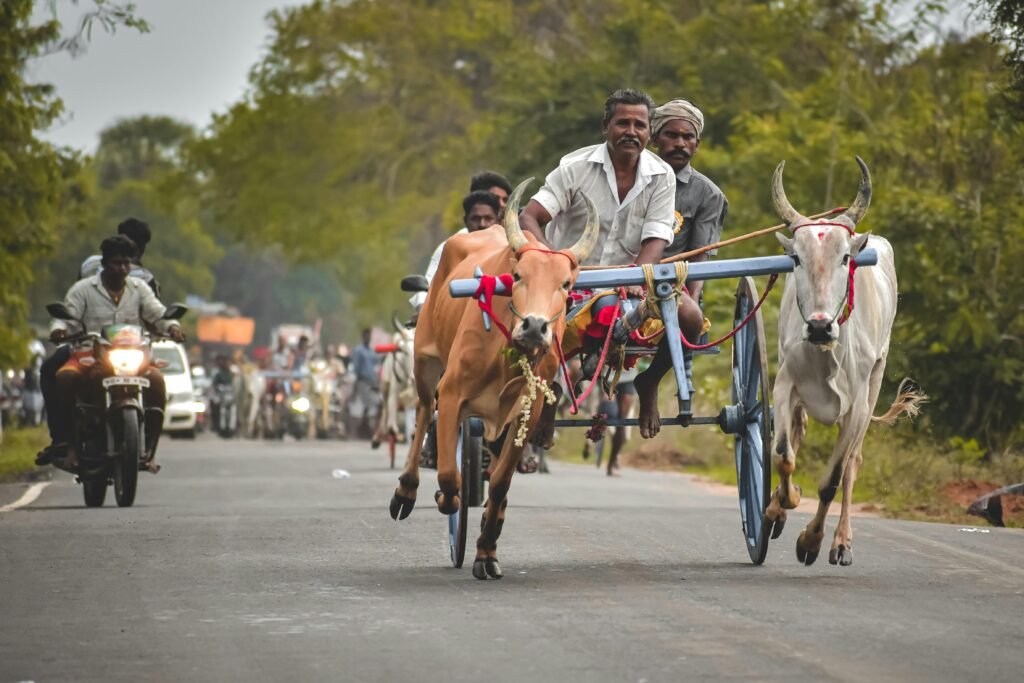
Folk performances by rural women added cultural depth, while bullock carts decorated in village style attracted large crowds. Together, these elements showed how indigenous knowledge has long supported soil health, seed diversity, and balanced farming systems.
Agricultural Exhibitions Promoting Eco-Friendly Farming
The agricultural exhibition was a major attraction for farmers, researchers, and agri-enthusiasts. Displays focused on native seed varieties, millets, and organically grown produce as alternatives to chemical-intensive hybrid crops. These exhibits encouraged visitors to rethink dependency on external inputs and rediscover resilient food systems.
Creative millet-based models of Ganesha, Nandi, and local symbols captured attention while reinforcing the value of climate-resilient crops. Demonstrations on sericulture, drone-supported farming, and integrated agriculture with livestock provided practical insights into sustainable and adaptable farming models.
Indigenous Livestock Takes Center Stage
Livestock conservation was another key theme at Hampi Utsav 2026. More than 170 pairs of bulls from indigenous breeds such as Hallikar, Ongole, and Amritmahal participated in competitions. Veterinary professionals evaluated the animals based on health, physical strength, and overall care.
These competitions emphasized the importance of native breeds in maintaining sustainable livestock systems. Farmers also exchanged knowledge on breeding, feeding, and managing indigenous cattle in the face of modern agricultural pressures.
Floral Displays and Cultural Exhibits with a Green Message
The fruit and flower exhibition blended art, history, and environmental awareness. Iconic Hampi monuments were recreated using marigolds, roses, and chrysanthemums, alongside floral portraits of Emperor Krishnadevaraya. Bonsai displays and horticulture stalls further promoted conservation and responsible cultivation.
These visual elements connected cultural pride with sustainable agricultural values, reinforcing the idea that environmental care is deeply rooted in heritage.
Why Hampi Utsav 2026 Matters for Sustainable Agriculture
Hampi Utsav 2026 demonstrated how cultural festivals can inspire sustainable farming practices at scale. By showcasing seed conservation, organic markets, indigenous livestock, and agri-tech tools like drones, the event offered real-world solutions for farmers seeking productivity without ecological damage.
For policymakers, agri-tech innovators, and sustainability advocates, the festival served as a living example of how tradition and innovation can work together to protect soil health, biodiversity, and rural livelihoods.
