
Solar-powered vertical farming is emerging as a practical solution that combines clean energy with modern agricultural practices. By growing crops in stacked layers and using solar energy to run farming systems, this model addresses challenges related to land scarcity, energy consumption, and sustainable food production. It is especially well suited for urban environments, schools, colleges, and training centers that want to promote hands-on learning in sustainability.
Understanding the Core Idea
Vertical farming involves cultivating plants in vertically arranged structures such as shelves, racks, or towers within a controlled environment. Instead of soil, methods like hydroponics and aeroponics are used, where plant roots receive nutrients through water or mist. Solar panels supply renewable electricity to power grow lights, irrigation pumps, and climate control systems.
This integration allows crops to be grown throughout the year while using significantly less water compared to conventional farming. Studies and field applications show that vertical systems can reduce water use by up to 90 percent, making them ideal for regions facing water stress.
Key Advantages of Solar-Powered Vertical Farming
Efficient Use of Space
Vertical farming makes optimal use of limited land. In dense urban areas or school campuses with space constraints, a small setup can deliver high yields. In many cases, one acre of vertical farming can match the output of nearly ten acres of traditional farmland.
Lower Energy Costs
Using solar energy reduces dependence on grid electricity and fossil fuels. Over time, operational costs can drop by 50 to 70 percent. Since solar panels typically last more than 25 years, the long-term savings are substantial.
Strong Educational Impact
This farming model offers valuable learning opportunities for students. By monitoring plant growth, energy usage, and environmental conditions, learners gain practical exposure to science, technology, engineering, and mathematics concepts.
Environmental Sustainability
Solar-powered vertical farms reduce food transportation distances, limit pesticide use, and support local food production. These factors contribute to improved food security and a smaller carbon footprint.
Basic Setup Requirements
A beginner-friendly setup can start with a small greenhouse, rooftop structure, or even a modified shipping container. Vertical racks made from PVC or metal hold the plants, while a water circulation system delivers nutrients.
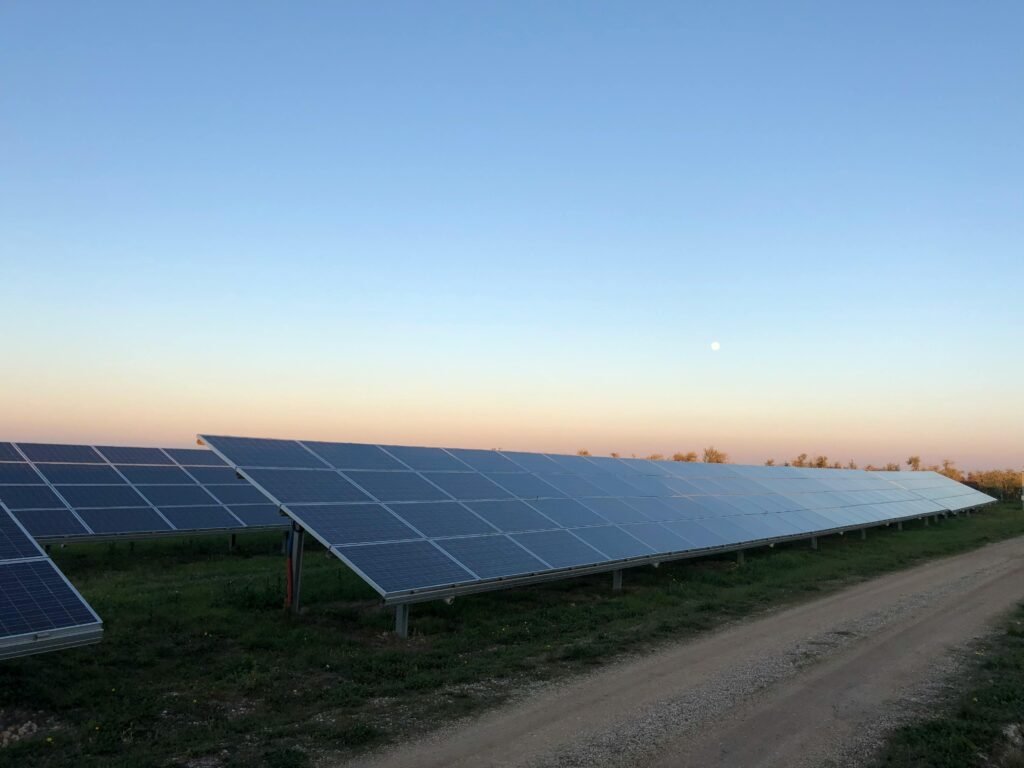
Solar panels installed on rooftops or nearby open areas typically range between 5 to 10 kilowatts for small-scale projects. Energy storage batteries ensure uninterrupted operation during evenings or cloudy days. LED grow lights are used to provide consistent light for plant growth.
Crops such as leafy greens, herbs, and strawberries perform particularly well in vertical systems due to their short growth cycles and compact size.
Step-by-Step Implementation Guide
Site Selection
Choose a location that receives at least six hours of direct sunlight daily. Begin with a manageable scale, usually between 100 and 500 plants, to simplify monitoring and learning.
System Design
Construct vertical racks and integrate a nutrient delivery system. Sensors for pH levels, temperature, and humidity help maintain optimal growing conditions and improve efficiency.
Solar Power Integration
Connect solar panels with inverters and battery storage. Designing the system to operate off-grid can eliminate electricity bills and increase long-term savings.
Planting and Daily Care
Seeds are commonly started in rockwool cubes. Maintain temperatures between 20 and 25 degrees Celsius and humidity levels around 60 to 80 percent. Most crops can be harvested within four to six weeks.
Adding an Educational Layer
Use digital tools or mobile applications to track plant growth and energy usage. Hosting workshops and demonstrations helps students and visitors understand renewable energy and modern farming practices.
Business and Learning Opportunities
Solar-powered vertical farming can generate revenue by supplying fresh produce to schools, local markets, and restaurants. Many projects achieve a return on investment within two to three years.
From an educational perspective, such initiatives are eligible for funding under sustainability and agri-technology programs. In India, schemes like PM-KUSUM encourage solar adoption in agriculture, making this model both financially and academically attractive. Community engagement through live demonstrations further strengthens its impact.
