
Sustainable farming has become a key pillar in securing long-term food availability while protecting natural resources. By focusing on both productivity and environmental responsibility, this approach helps farmers, especially in countries like India, manage soil health and maintain consistent yields despite climate and resource challenges.
As agriculture faces pressure from population growth, climate variability, and declining soil quality, sustainable methods offer a balanced solution that supports farmers today while safeguarding food systems for the future.
How Sustainable Farming Improves Soil and Ecosystems
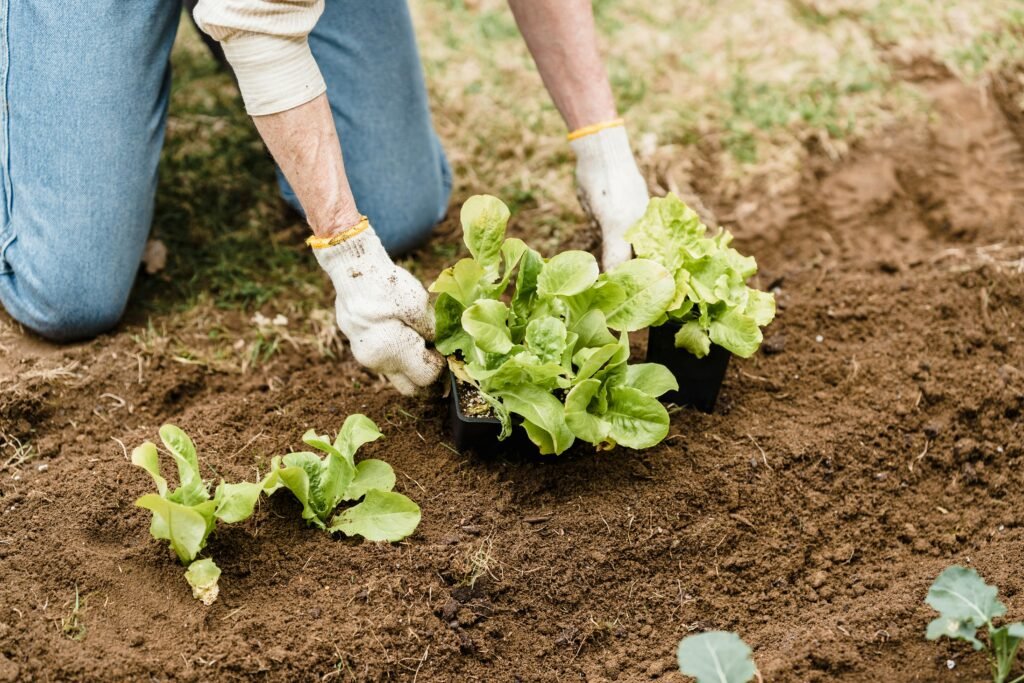
One of the strongest advantages of sustainable farming is its positive impact on soil health. Techniques such as crop rotation and cover cropping naturally restore nutrients, reduce soil erosion, and improve water retention. Healthier soils lead to stronger crops and reduce the dependence on synthetic fertilizers.
Lower chemical use also means reduced water pollution and improved biodiversity. Beneficial insects, microorganisms, and plant species thrive under these systems, contributing to cleaner water sources and more resilient ecosystems. Together, these factors help farms adapt better to changing climate conditions and protect food supplies at the community level.
Key Sustainable Farming Practices
Crop Rotation
Rotating crops breaks pest cycles and balances soil nutrients. For example, legumes planted after nutrient-demanding crops like cereals help restore nitrogen levels naturally.
Cover Cropping
Growing cover crops during off-seasons protects soil from erosion, suppresses weeds, and increases organic matter, improving long-term soil fertility.
Conservation Tillage
Reducing soil disturbance helps preserve soil structure and moisture. Leaving crop residues on fields further enhances water retention and reduces erosion.
Organic and Natural Pest Control
Sustainable systems favor natural pest management, such as using beneficial insects, instead of relying heavily on chemical pesticides. This supports safer food production and healthier ecosystems.
Role of Sustainable Farming in Food Security
These practices directly address long-standing challenges in Indian agriculture, including excessive chemical use and water dependency. By improving resource efficiency, sustainable farming supports stable crop production and long-term land productivity.
Healthier farming systems also align with India’s broader vision of becoming a reliable food exporter. Organizations such as Tropical Agro contribute by offering science-backed solutions that help farmers adopt sustainable methods while maintaining productivity and food safety standards.
The Way Forward for Sustainable Agriculture
Expanding sustainable farming requires focused farmer education, supportive agricultural policies, and access to innovative yet eco-friendly inputs. Adoption does not have to be immediate or large-scale. Even small changes on individual farms can lead to measurable improvements in yield, soil health, and environmental impact.
By scaling these practices nationwide, agriculture can meet rising food demand without degrading natural resources, ensuring food security for future generations while protecting the planet.
