

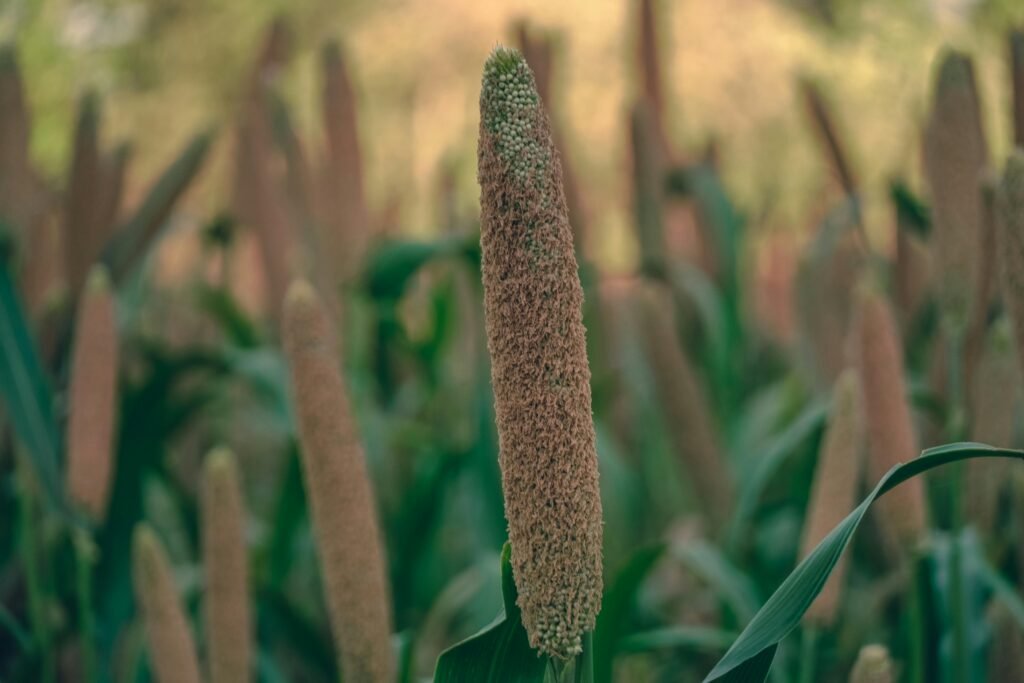
As climate challenges and nutrition gaps continue to threaten global food systems, neglected and underutilized crops are gaining renewed attention. These crops offer a practical path toward sustainable agriculture by improving dietary diversity, strengthening climate resilience, and supporting smallholder farmers.
Despite their benefits, many of these crops remain overshadowed by major staples such as rice and wheat. Their limited commercial promotion and research investment have kept them out of mainstream food systems. However, their potential to support food security and environmental balance is now becoming difficult to ignore.
Understanding Neglected and Underutilized Crops
Neglected and underutilized crops are plant species that grow naturally in certain regions but receive minimal market or policy support. This often happens because of low consumer awareness, weak value chains, or a lack of large-scale research.
Common examples include millets, quinoa, lentils, and African-origin crops such as teff and fonio. These crops are well adapted to harsh growing conditions. They can thrive in poor soils, tolerate drought, and require fewer chemical inputs. For farmers in regions like India, especially rainfed areas, these traits make them both practical and cost-effective.
A Strong Source of Essential Nutrition
One of the biggest advantages of these crops lies in their nutritional value. Many contain higher levels of essential micronutrients compared to commonly consumed cereals.
Pearl millet, for example, provides more iron and zinc than rice or maize. Finger millet stands out for its calcium content, which is significantly higher than that of rice. Quinoa offers nearly double the protein of rice, along with higher fiber and folate levels. Lentils contribute iron and selenium, helping address anemia and other nutrient deficiencies.
Regular consumption of these crops can help reduce hidden hunger, especially in regions where diets depend heavily on a single staple food.
Nutritional Comparison With Common Staples
| Crop | Key Nutrient Advantage | Compared to Staples |
|---|---|---|
| Pearl millet | High iron and zinc | Higher than rice and maize |
| Quinoa | Protein and folate | Nearly twice the protein of rice |
| Lentils | Iron and selenium | Supports anemia reduction |
| Finger millet | Calcium | About 30 times higher than rice |
Environmental and Sustainability Benefits
Beyond nutrition, these crops support long-term agricultural sustainability. They improve soil structure, require less water, and work well in intercropping systems alongside staple crops. This reduces farming risks and increases resilience against climate shocks.
In parts of Asia and Africa, promoting neglected crops can contribute to poverty reduction while protecting local biodiversity. International organizations, including the FAO, are working with governments and research institutions to bring these crops into mainstream food systems through improved seed access and market linkages.
Practical Cultivation Strategies for Farmers
Farmers looking to adopt these crops should begin with locally adapted varieties. In Madhya Pradesh, barnyard millet is a strong option for rainfed fields. Pairing traditional crops with modern techniques such as drip irrigation can improve yields by up to 20 percent.
Building market demand is equally important. Digital platforms, blogs, and awareness campaigns that highlight health benefits can help attract consumers, improve pricing, and increase farmer incomes.
A Step Toward Resilient Food Systems
Neglected and underutilized crops represent more than just an alternative food source. They are a pathway toward resilient agriculture, better nutrition, and sustainable livelihoods. With the right support and awareness, these crops can play a vital role in shaping the future of global food security.
