

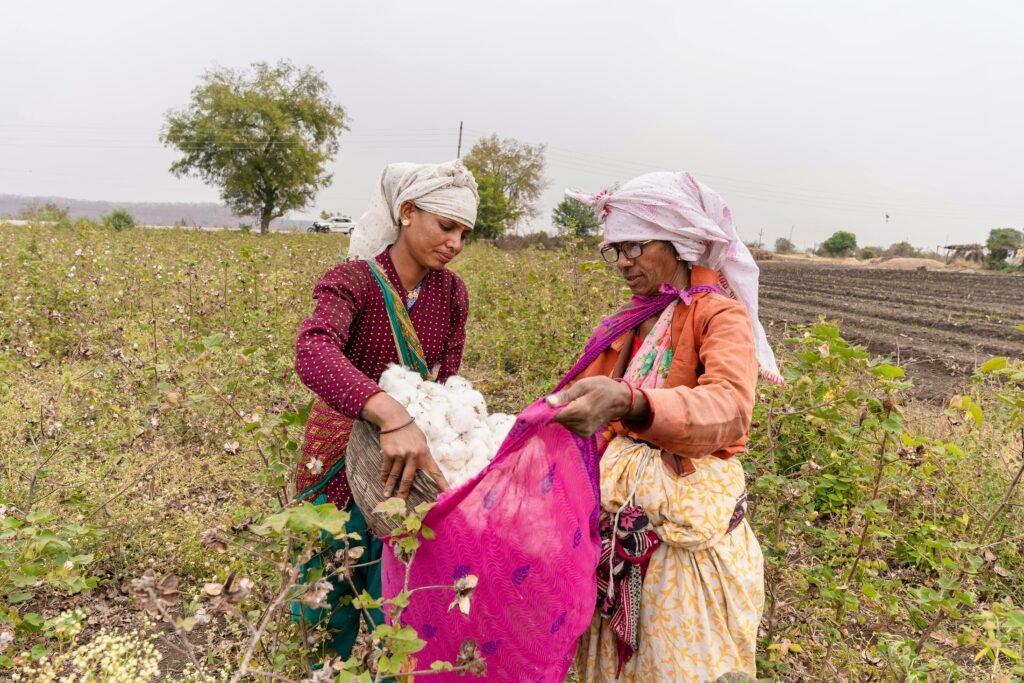
India’s agriculture sector is undergoing a major transformation. As climate change and pest outbreaks become more frequent, crop protection has emerged as a critical pillar in safeguarding farm productivity. Science-based solutions are now helping farmers build resilience, support sustainable growth, and ensure long-term food security for the country.
Building Stronger and More Resilient Farms
Indian farmers operate in increasingly challenging conditions. Unpredictable rainfall patterns, rising temperatures, and invasive pests regularly threaten crop yields. Modern crop protection solutions play a key role in reducing these risks and maintaining consistent production.
Staple crops such as rice, maize, and cotton are particularly vulnerable to pests like armyworms and leafhoppers. Effective protection tools help farmers control infestations and prevent large-scale losses, even during difficult seasons. By stabilizing yields, the sector supports broader national ambitions, including the vision of building a trillion-dollar agricultural economy by 2047.
Innovation Driving Agricultural Progress
The development of new crop protection products is a long and rigorous process. On average, it takes nearly 12 years and requires an investment of around 300 million US dollars to bring a single solution to market. This extensive research focuses on safety, performance, and environmental responsibility.
India’s commitment to science and innovation has positioned it as an important player in global crop science. Faster and transparent regulatory approvals can help farmers access these advanced tools sooner. This, in turn, can improve productivity while ensuring compliance with international quality and safety standards.
Addressing Climate-Related Pest Challenges
Shifting climate patterns have intensified pest pressure across many agricultural regions. This makes timely and precise use of crop protection products more important than ever. Farmer training programs play a crucial role by promoting safe application practices and encouraging responsible usage.
These initiatives help reduce environmental risks while supporting soil health over the long term. Strong partnerships between industry, government bodies, and local organizations further enhance these efforts, fostering a culture of informed and sustainable farming.
The Path Forward for Indian Agriculture
The future of Indian agriculture rests on three core pillars. Scientific innovation enables breakthroughs in crop protection. Sustainability ensures environmentally responsible farming practices. Collaboration brings together regulators, researchers, companies, and farmers to achieve shared goals.
Organizations such as CropLife India continue to lead these efforts by promoting stewardship and responsible use of crop protection solutions. With the right balance of innovation, policy support, and cooperation, Indian agriculture can remain competitive globally while securing a stable and prosperous future for farmers.
