
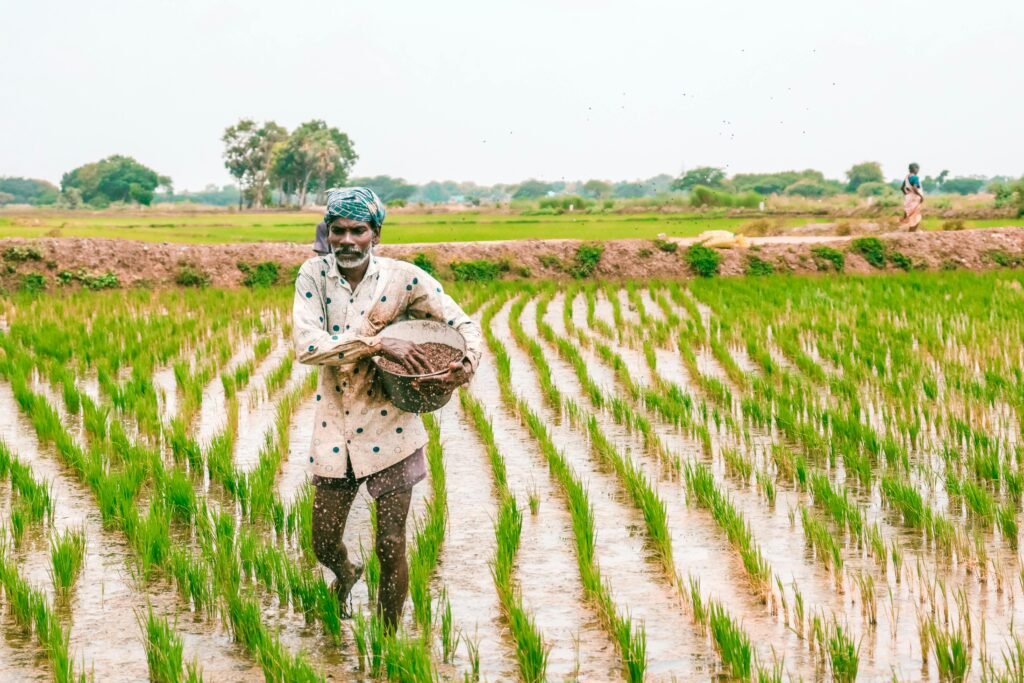
In today’s fast-changing world, more farmers are turning to organic farming to grow crops that are both healthy and environmentally friendly. It’s not just a trend – it’s a movement toward sustainable agriculture that benefits farmers, consumers, and the planet.
What Is Organic Farming?
Organic farming is a method of agriculture that avoids synthetic fertilizers, pesticides, and genetically modified organisms (GMOs). Instead, it focuses on natural processes and materials to maintain soil fertility and control pests. It’s about working with nature, not against it.
1. Healthy Soil – The Heart of Organic Farming
Organic farmers build soil health using compost, green manure, and crop rotation. These practices boost soil fertility and structure, making it more capable of holding nutrients and water. Learn more about nurturing soil in our post — Crop Rotation: A Simple Strategy for Long-Term Soil Health.
2. Natural Pest Management
Instead of chemicals, organic farming relies on Integrated Pest Management (IPM) techniques, natural predators, and plant diversity to control pests. This helps maintain balance in the ecosystem and protects beneficial insects. Read our blog – Integrated Pest Management (IPM): Nature’s Solution to Crop Protection.
3. Organic Fertilizers and Composting
Farmers use compost, animal manure, and plant residues as natural fertilizers. These organic inputs enrich the soil with nutrients and improve crop yields over time. You can explore this further in Composting 101: Boosting Soil Fertility Naturally.
4. Biodiversity and Crop Rotation
Planting a mix of crops reduces the risk of pest infestations and diseases. Crop rotation also ensures that the soil remains rich in nutrients and minimizes the need for synthetic supplements.
5. Benefits of Organic Farming
- Produces healthier, chemical-free food.
- Improves soil health and fertility.
- Enhances biodiversity and ecosystem balance.
- Supports sustainable water and resource use.
By choosing organic farming, we are investing in healthier soil, cleaner air, and safer food for generations to come. It’s not just about farming – it’s about building a future that’s sustainable and green.
Image Suggestions:
- Farmer working in an organic vegetable field.
- Compost heap with rich organic matter.
- A diverse organic farm with multiple crops.
