
Water scarcity is one of the toughest challenges modern farmers face, especially in drought-prone regions. But with smart water management techniques, it’s possible to sustain crops and protect yields even in dry conditions. Let’s explore practical ways farmers can manage water efficiently and keep their farms thriving.
1. Adopt Smart Irrigation Techniques
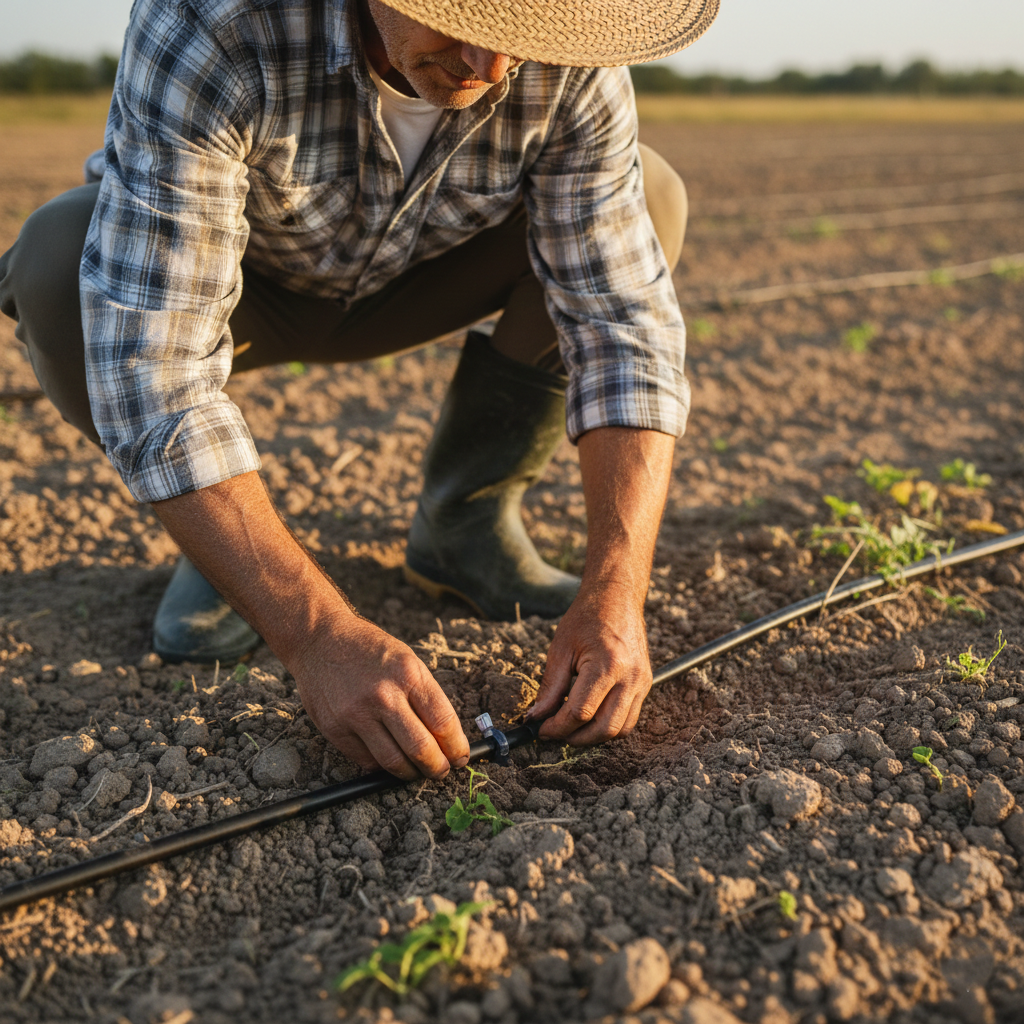
Using smart irrigation systems like drip irrigation or sprinkler setups can significantly reduce water waste. Drip irrigation delivers water directly to the plant roots, minimizing evaporation, while sprinklers ensure uniform coverage. To learn more about irrigation efficiency, check out our blog on Smart Irrigation Techniques for Sustainable Water Use.
2. Embrace Rainwater Harvesting Systems
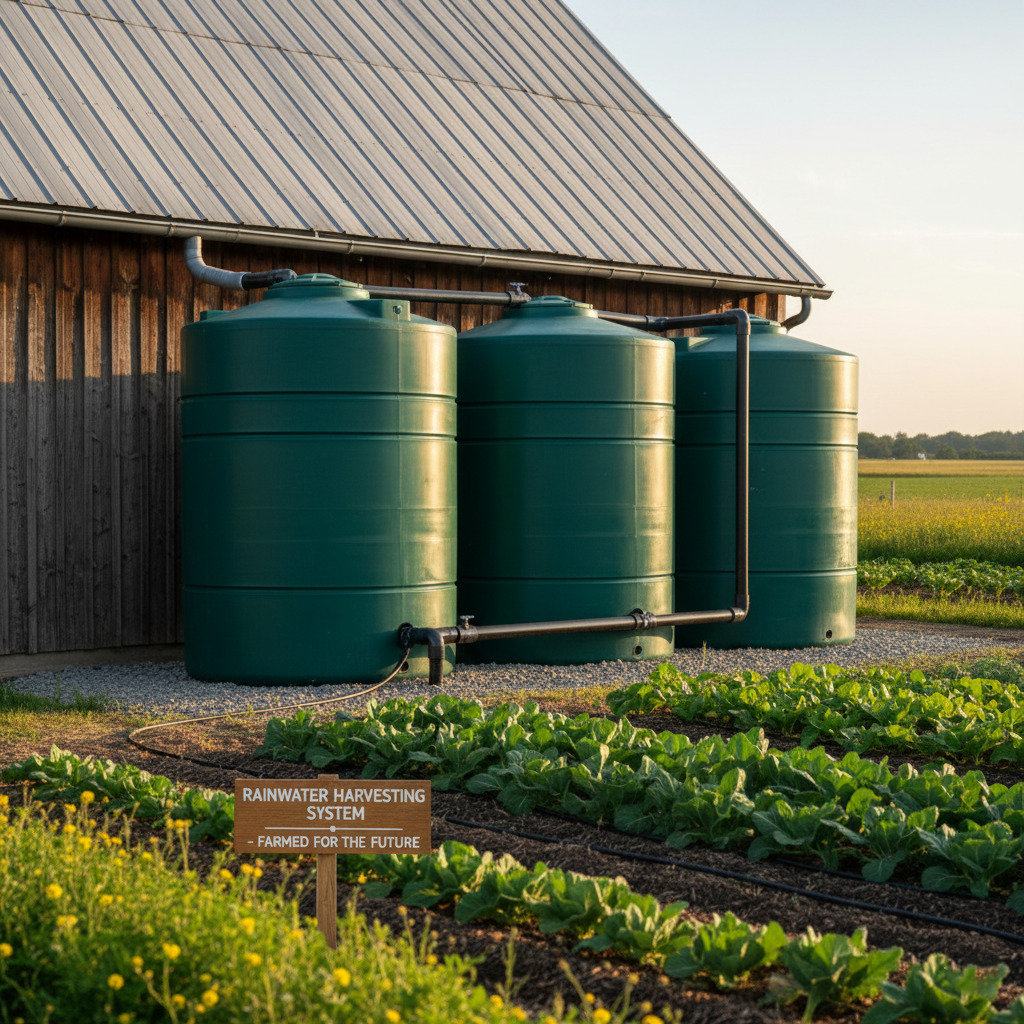
Installing rainwater harvesting structures helps store rainwater during wet seasons for later use. Farmers can direct collected rainwater to underground tanks or ponds for irrigation during dry months. Explore our detailed guide on Rainwater Harvesting for Farms: A Step Toward Sustainability.
3. Improve Soil Health for Better Water Retention
Healthy soil holds water longer, reducing irrigation needs. Adding organic matter, compost, and practicing crop rotation improves soil structure and water retention capacity. Read how to maintain soil quality in our post Crop Rotation: A Simple Strategy for Long-Term Soil Health.
4. Use Mulching to Reduce Evaporation
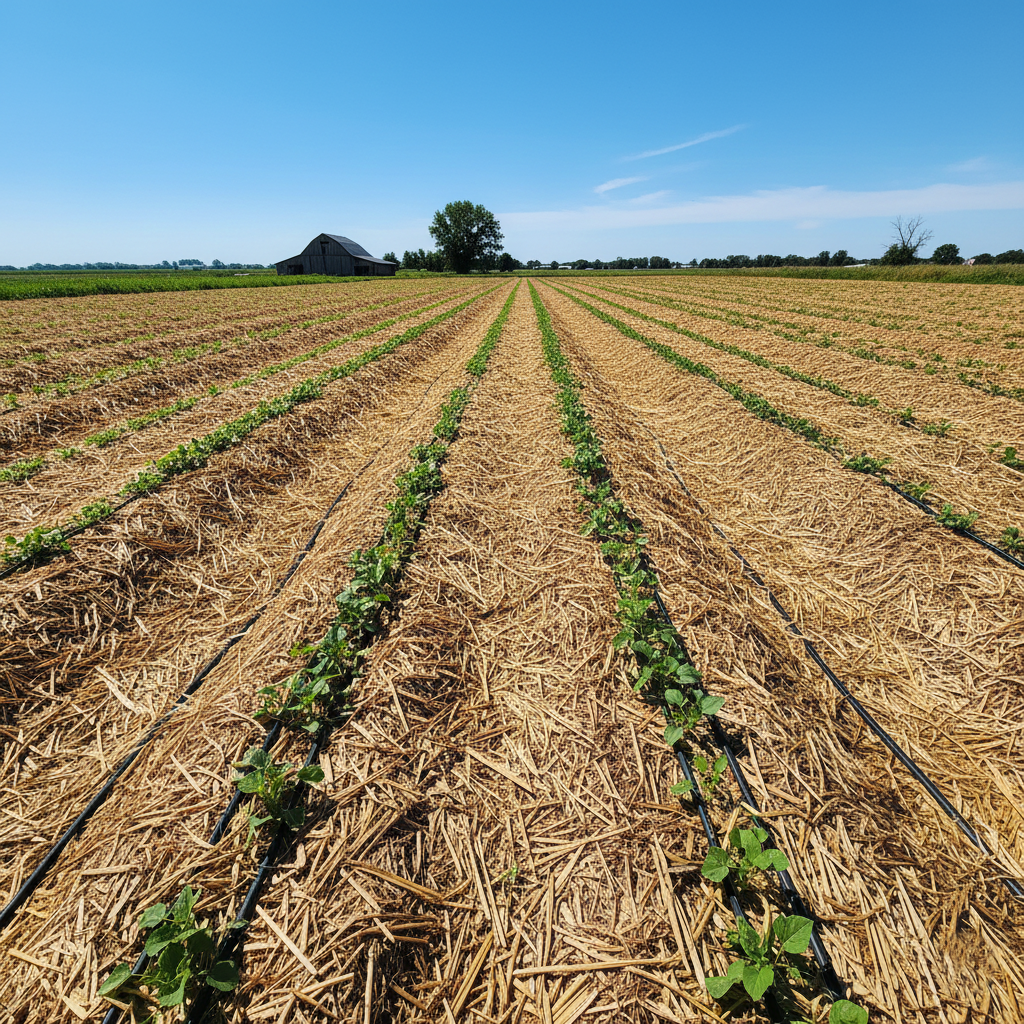
Mulching-covering soil with crop residues, straw, or biodegradable films helps lock in moisture and lower soil temperature. It’s an affordable and effective water conservation practice suitable for drought-prone regions.
5. Choose Drought-Resistant Crops
Planting drought-tolerant crops such as millets, sorghum, or pulses helps minimize water demand. These crops require less irrigation and can survive long dry spells, ensuring steady productivity.
6. Monitor and Plan Water Usage
Regularly tracking soil moisture and weather forecasts helps optimize irrigation schedules. Using digital tools and sensors allows farmers to apply water only when necessary, preventing overuse and conserving valuable resources.
Efficient water management in drought-prone areas is not just about saving water, it’s about securing the future of sustainable farming. By combining modern technologies with traditional conservation methods, farmers can adapt and thrive even under harsh conditions.
Image Suggestions:
- A farmer inspecting drip irrigation pipes in dry soil.
- Rainwater harvesting tanks on a farm.
- Mulched field under bright sunlight.
