
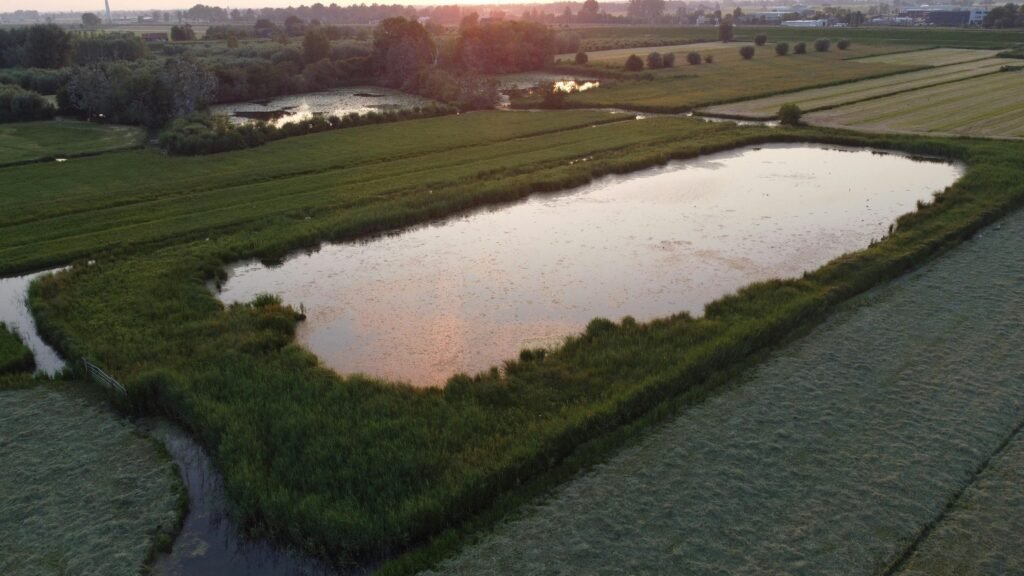
Water is one of the most valuable resources in farming. However, it is often taken for granted. As a result, with climate change bringing unpredictable rainfall and longer droughts, farmers are facing increasing water stress. In this context, rainwater harvesting is emerging as a smart and sustainable solution that helps farmers secure their water needs naturally and efficiently.
What Is Rainwater Harvesting?
Rainwater harvesting is the process of collecting and storing rainwater for later use. Instead of allowing rainwater to run off unused, farmers can capture it from rooftops, fields, or surface catchments. This collected water can then be used for irrigation, livestock, or even cleaning purposes.
As a result, this simple yet effective method reduces dependence on groundwater. Moreover, it helps farms remain productive even during prolonged dry spells.
Why Rainwater Harvesting Matters for Sustainable Farming
Rainwater harvesting is more than just water storage. In fact, it is a long-term sustainability strategy. Here’s why it plays such a vital role in farming:
- Firstly, it reduces groundwater depletion by lowering reliance on borewells and underground sources.
- Secondly, it prevents soil erosion and flooding by controlling and directing excess rainwater.
- Additionally, it improves crop yield, as consistent water availability reduces crop stress during dry periods.
- Finally, it saves energy and costs since farmers rely less on deep pumps and expensive irrigation systems.
Effective Rainwater Harvesting Techniques for Farms
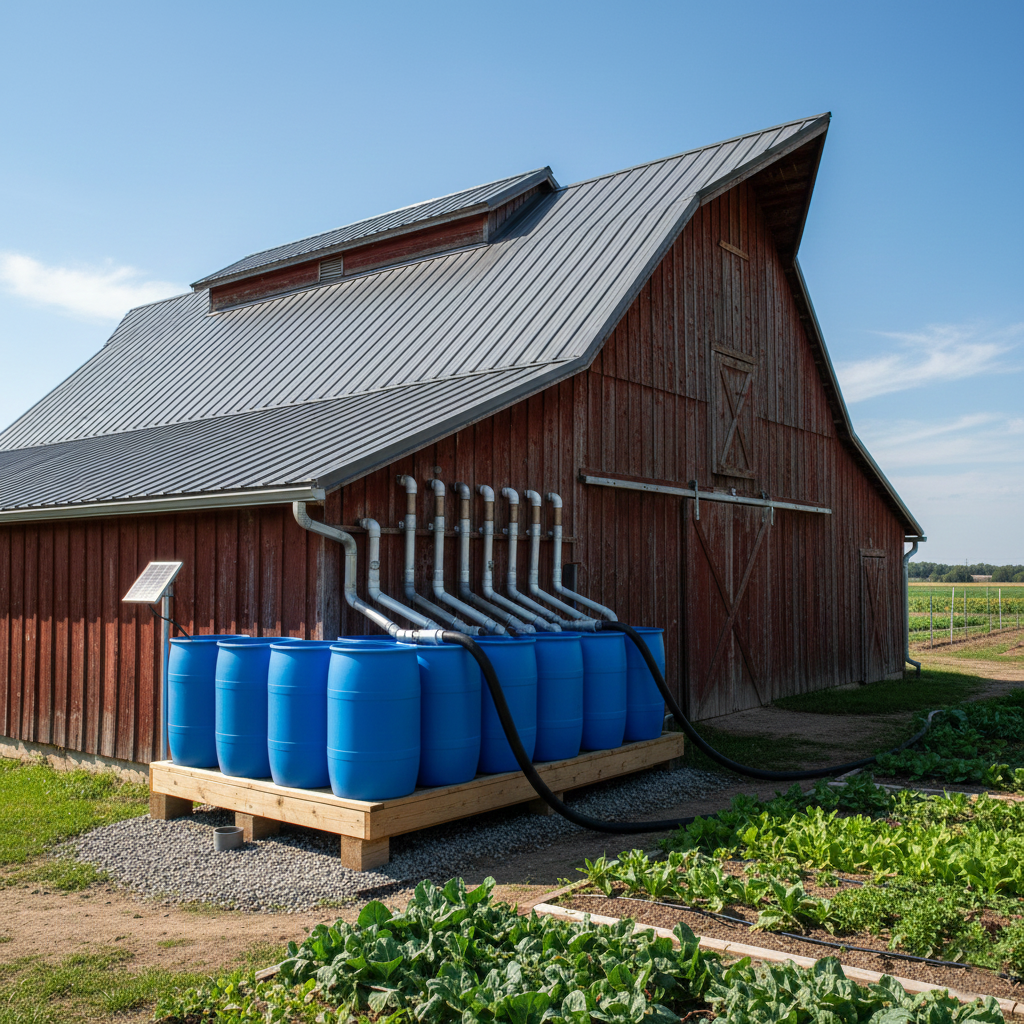
1. Rooftop Collection Systems
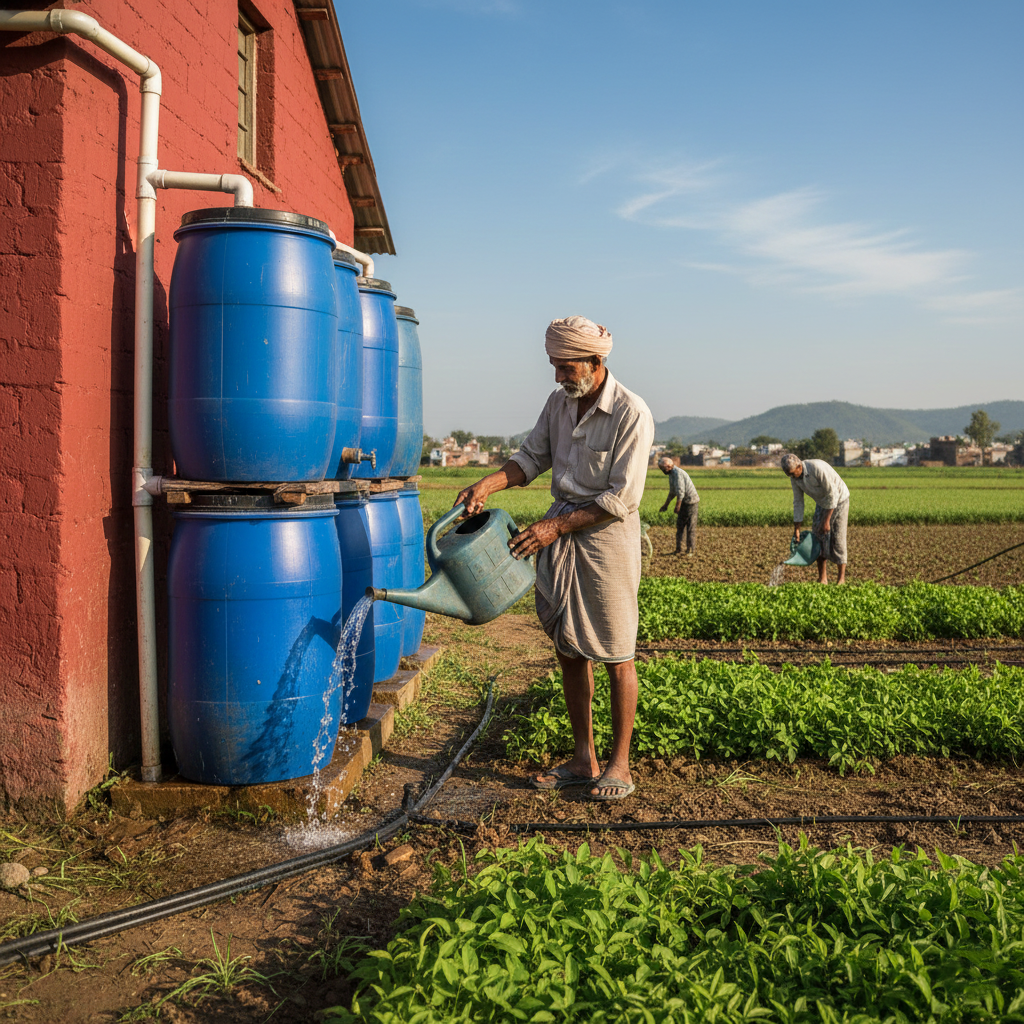
Water is collected from barn or shed rooftops through gutters and pipes, then stored in tanks or underground reservoirs. It’s one of the easiest methods for small and medium farms.
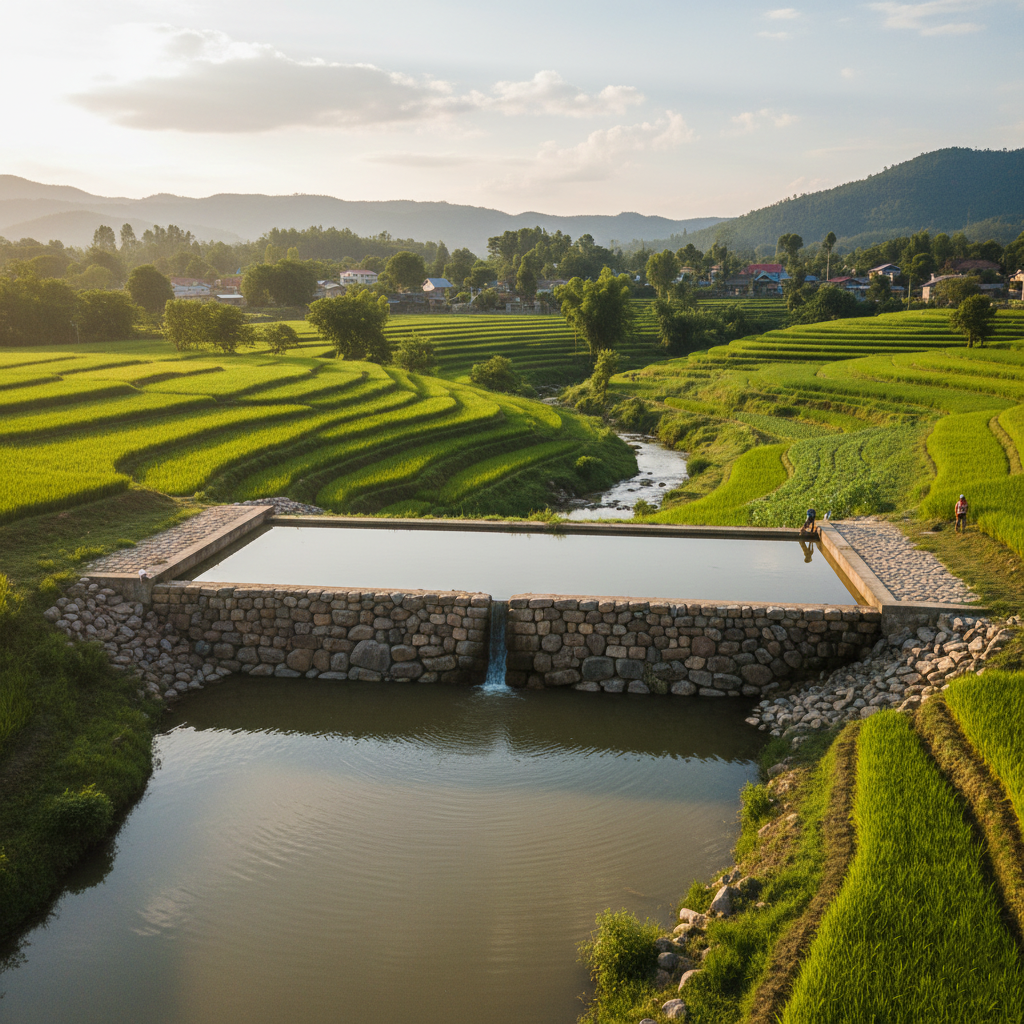
2. Farm Ponds and Check Dams
Creating small ponds or check dams helps collect rainwater runoff from fields. This stored water can be reused for irrigation throughout the year.
3. Percolation Pits and Trenches
These shallow pits allow rainwater to soak into the ground, recharging the water table and improving groundwater levels.
4. Contour Bunding
Building embankments along the contour lines of sloping land helps slow down water flow, increasing absorption and preventing erosion.
The Sustainable Impact
Rainwater harvesting supports sustainable agriculture by making farms more self-reliant, resilient, and eco-friendly. It’s a cost-effective solution that empowers farmers to thrive even in water-scarce regions.
For more sustainable farming techniques, explore these related posts:

Pingback: How to Reduce Water Waste in Agriculture: 7 Easy Ways - Agri Conserve