
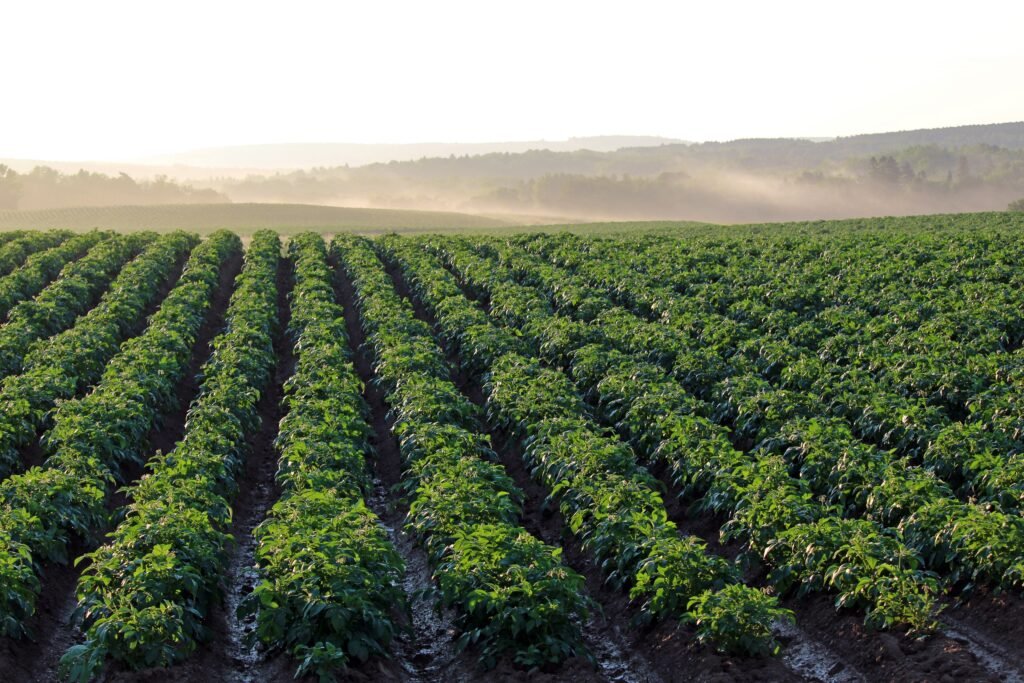
Healthy soil is the foundation of every successful harvest, and cover crops are one of the most powerful tools to protect and improve it. They’re simple to grow, affordable, and incredibly effective in maintaining soil structure, preventing erosion, and supporting long-term sustainability.
What Are Cover Crops?
Cover crops are plants grown mainly to protect and enrich the soil rather than for harvest. Common examples include clover, rye, alfalfa, and legumes. These crops act as a natural shield, covering bare soil between growing seasons and keeping it alive and active all year long.
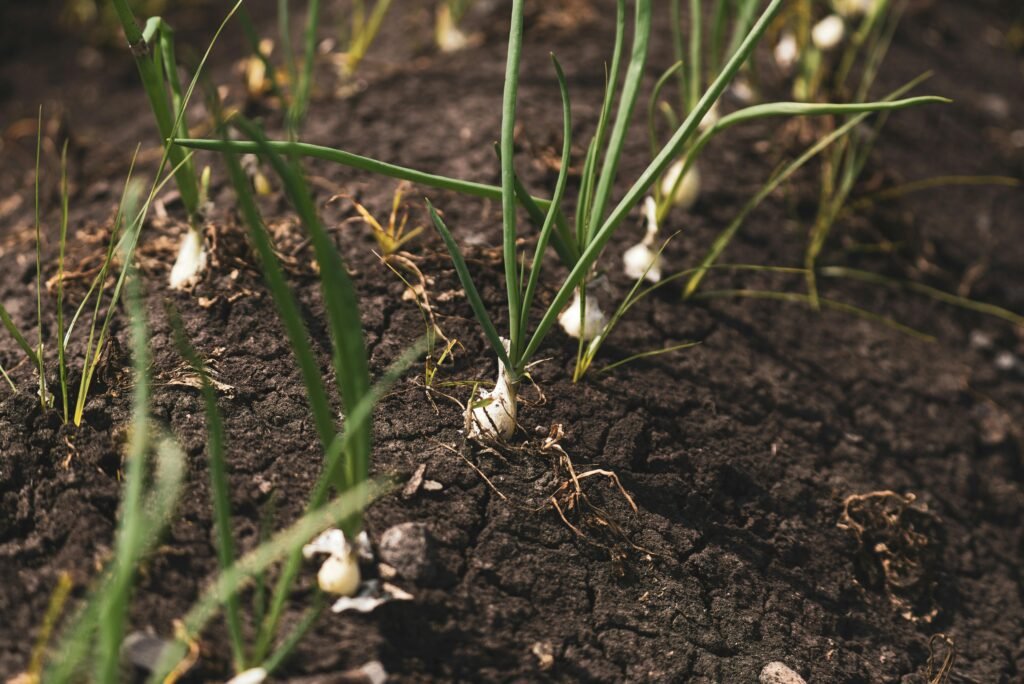
How Cover Crops Build Soil Health
Cover crops do much more than just protect the surface—they help the soil thrive from within.
- Prevent Erosion: Their roots hold the soil together, reducing water and wind erosion.
- Improve Fertility: Leguminous cover crops, like beans and peas, fix nitrogen naturally, cutting down the need for chemical fertilizers.
- Enhance Soil Structure: They loosen compacted soil, making it easier for roots and water to move through.
- Boost Microbial Life: The organic matter they leave behind feeds beneficial soil organisms, creating a living, balanced ecosystem.
Types of Cover Crops for Different Needs
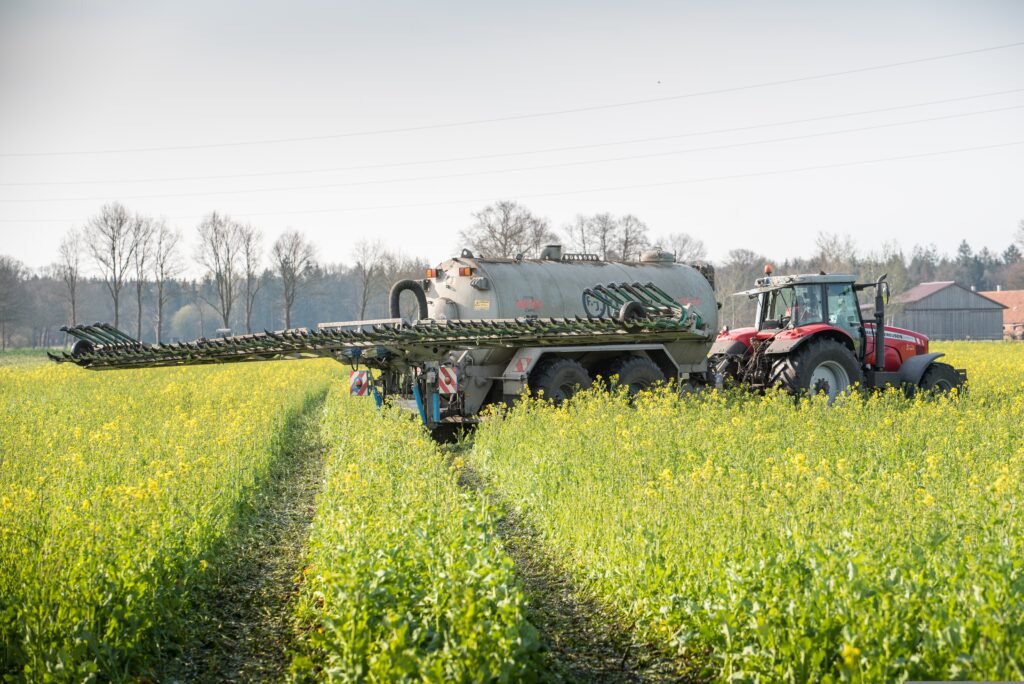
Each cover crop has a unique role to play depending on your soil’s needs:
- Grasses (like rye or oats) – ideal for erosion control and adding biomass.
- Legumes (like clover or vetch) – best for natural nitrogen fixation.
- Brassicas (like radish or mustard) – great for breaking compacted soil layers and suppressing pests.
The Sustainable Advantage
Using cover crops is a major step toward sustainable agriculture. They reduce the need for synthetic fertilizers, protect the environment from runoff, and improve soil for future crops. This natural cycle ensures better yields without harming the land.
To explore more ways to improve your soil and farm sustainably, check out these related posts:

Pingback: Crop Rotation: A Simple Strategy for Long-Term Soil Health - Agri Conserve