
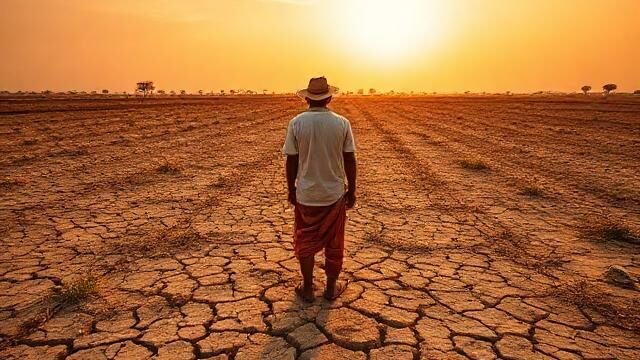
Climate change is changing how we grow food everywhere. How climate change affects agriculture worldwide can be seen in shifting rainfall, rising temperatures, and new pest outbreaks. Farmers in every region are adapting, but the impact is growing each year.
Agriculture depends directly on nature, and when the climate changes, farming changes too. Let’s understand how climate change affects agriculture worldwide and why this issue matters for our food future.
1. Changing Weather Patterns
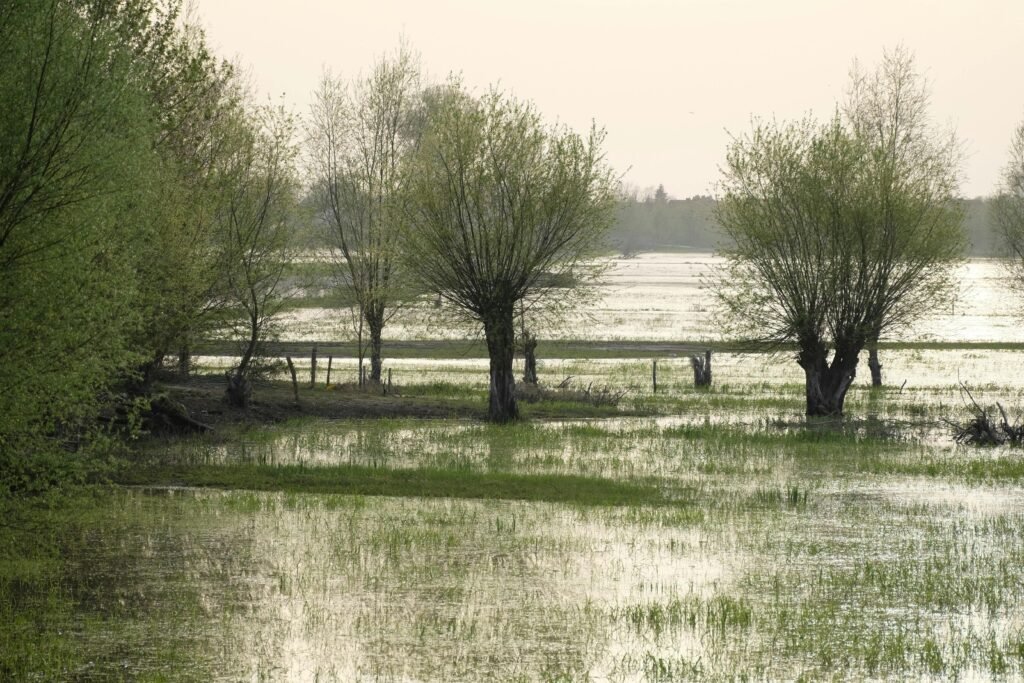
One of the main ways it happens through unpredictable weather. Some areas face too much rain, while others experience long droughts. These shifts make it harder to plan planting and harvest seasons, reducing crop yield.
2. Water Scarcity
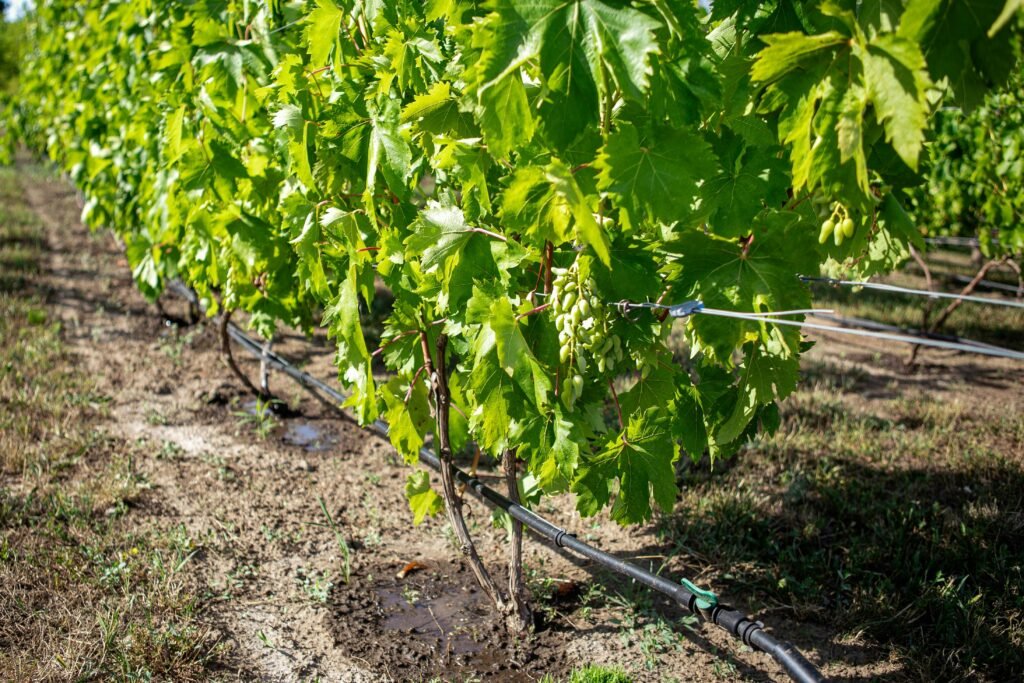
Water shortage is another clear example of how climate change affects agriculture worldwide. Rivers and groundwater are drying up faster. Without enough water, crops like rice, wheat, and maize struggle to survive, forcing farmers to spend more on irrigation.

3. Crop Diseases and Pests
Rising temperatures allow new pests and plant diseases to spread quickly. Warmer conditions help insects like locusts reproduce faster, causing huge crop losses and increasing pesticide use.
4. Soil Degradation
Soil erosion and nutrient loss are major outcomes. Droughts dry the soil, while floods wash away fertile layers. Without healthy soil, farms can’t grow enough food sustainably.
5. Impact on Livestock
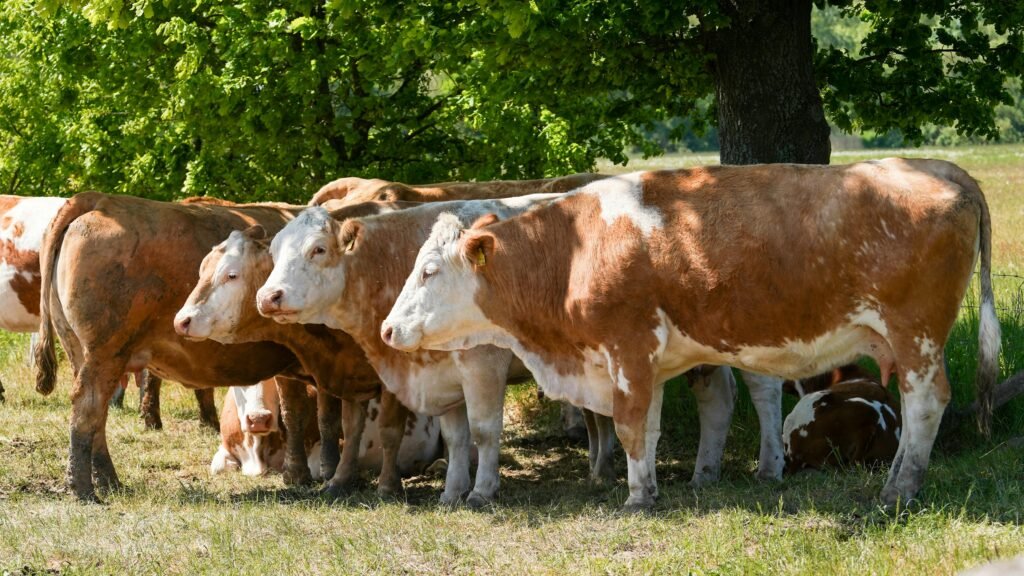
Even animals feel how climate change affects agriculture worldwide. Heat stress lowers milk and meat production, while new diseases harm livestock. This reduces income for rural families who depend on animals for their livelihoods.
6. Global Food Security
Because climate change affects agriculture worldwide, food production and prices are unstable. Poor communities suffer the most as food becomes expensive and scarce. Global cooperation and sustainable farming are the only way forward.
Building a Sustainable Future
To reduce how climate change effects, we must adopt sustainable farming practices like:
- Using organic fertilizers and compost.
- Practicing crop rotation to preserve soil health.
- Installing solar irrigation systems to save energy.
- Planting climate-resilient crops that tolerate heat and drought.
Learn more about sustainability by reading 👉 The 3 Pillars of Sustainable Agriculture: Economic, Environmental & Social
Final Thoughts
Now , it’s clear that our food system must adapt fast. By protecting soil, saving water, and supporting sustainable practices, we can create a future where farming thrives despite a changing climate.
Check out our related articles for more insights:
