
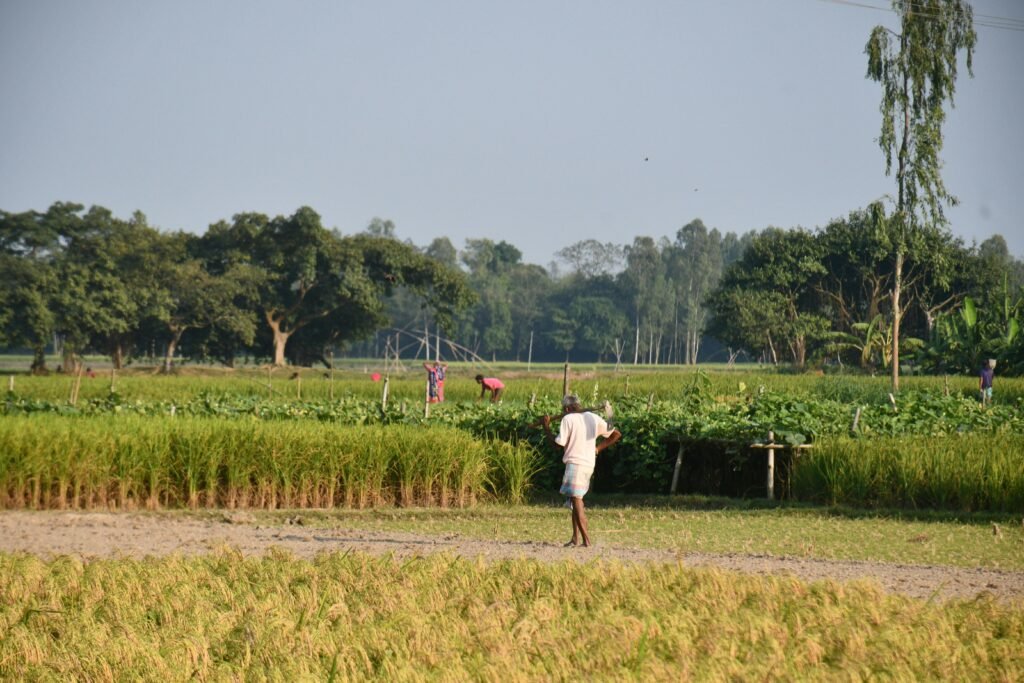
Agriculture has always been the backbone of human civilization. From ancient times to the modern era, farming has fed communities and supplied raw materials to countless industries. However, as the global population continues to grow and climate change increasingly threatens ecosystems, traditional farming methods are no longer enough. Therefore, the way we farm must evolve. This is exactly where agricultural sustainability becomes essential.
What Is Agricultural Sustainability?
In simple terms, agricultural sustainability means farming in a way that meets today’s food and fiber needs without compromising the ability of future generations to meet their own needs. In other words, it focuses on balance—ensuring agricultural practices are environmentally friendly, economically viable, and socially responsible.
Rather than prioritizing short-term profits or maximum yields, a sustainable farm looks at the bigger picture. Specifically, it emphasizes the long-term health of soil, water, and surrounding ecosystems. At the same time, it also considers the well-being of farmers, local communities, and consumers.
The Three Pillars of Agricultural Sustainability
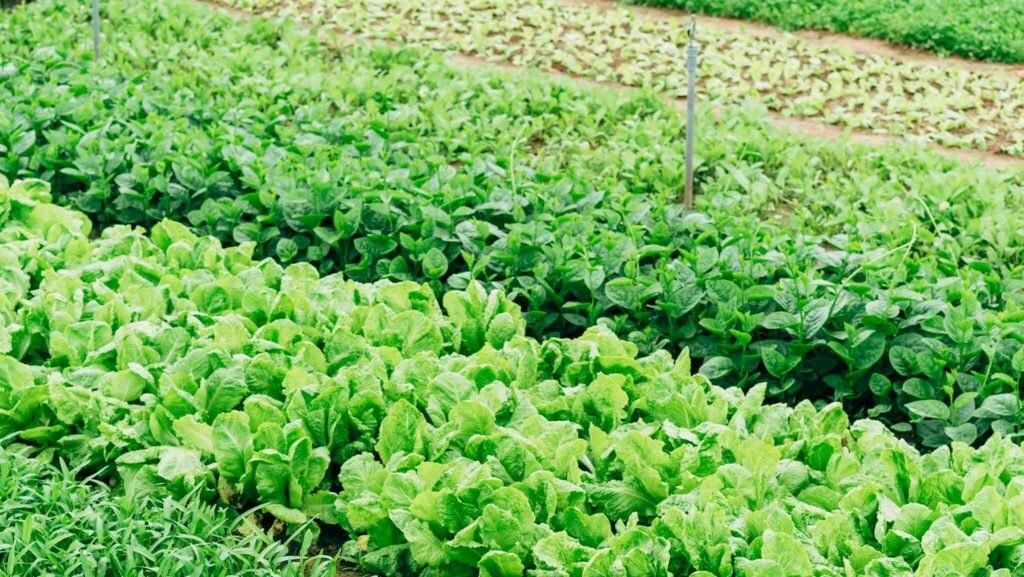
Agricultural sustainability rests on three interconnected pillars. Together, they form the foundation of a resilient farming system.
1. Environmental Sustainability
First and foremost, sustainable agriculture aims to protect natural resources. For example, environmental sustainability focuses on:
- Maintaining healthy soil through composting, cover crops, and crop rotation
- Conserving water and preventing overuse
- Reducing chemical inputs such as pesticides and synthetic fertilizers
- Promoting biodiversity on and around farms
As a result, farms become more resilient to climate stress, pests, and soil degradation.
2. Economic Sustainability
At the same time, a farm must remain profitable to survive. Therefore, economic sustainability ensures:
- Long-term productivity rather than short-term gains
- Efficient use of resources to reduce operational costs
- Better access to markets for fair-trade and organic products
- Greater opportunities for small and marginal farmers to thrive
Ultimately, financially stable farms are more likely to adopt and maintain sustainable practices.
3. Social Sustainability
Equally important, farming is not just about crops it’s about people. Hence, social sustainability focuses on:
- Ensuring fair wages and safe working conditions for farmworkers
- Empowering local communities and smallholder farmers
- Preserving traditional farming knowledge and cultural practices
In doing so, agriculture becomes more inclusive, ethical, and community-driven.
Why Agricultural Sustainability Matters
Agricultural sustainability is not optional it is necessary. Here’s why it matters so much today:
- Food Security: Sustainable practices help ensure a steady supply of nutritious food for growing populations.
- Climate Change Mitigation: Healthy soils and reduced chemical use help lower greenhouse gas emissions.
- Resilient Ecosystems: Biodiversity improves resistance to pests, diseases, and extreme weather events.
- Better Livelihoods: Farmers gain long-term financial stability and healthier working conditions.
Simple Steps Towards Sustainable Farming
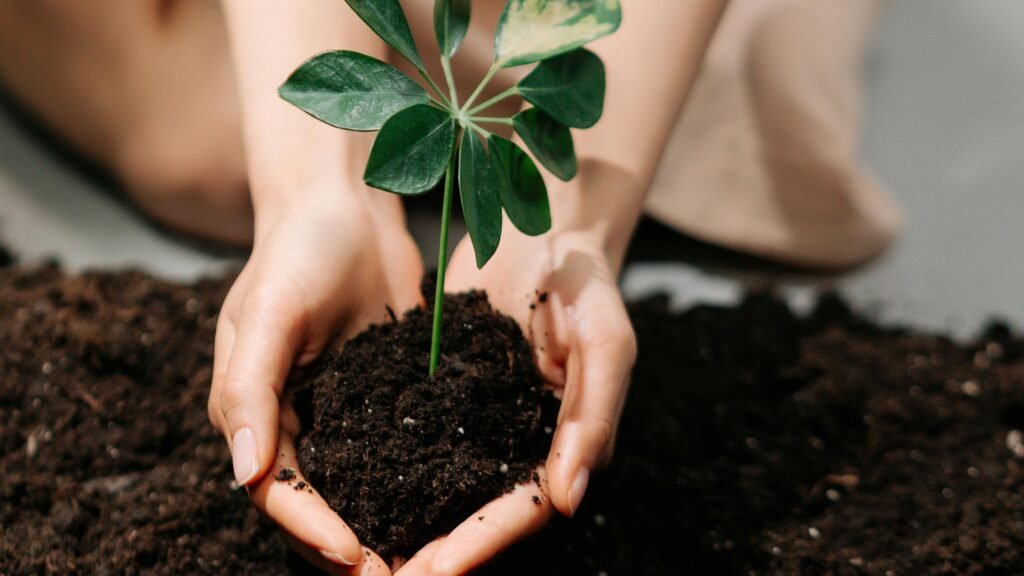
Fortunately, sustainability doesn’t require massive changes overnight. Even beginners can take small but meaningful steps, such as:
- Rotating crops to maintain soil fertility
- Using organic fertilizers and compost
- Conserving water through drip irrigation
- Reducing chemical pesticides by introducing natural pest predators
- Planting trees or adopting agroforestry techniques
Over time, these small actions collectively create a significant positive impact.
Conclusion: A Sustainable Future Starts on the Farm
In conclusion, agricultural sustainability is about farming smarter, not harder. By balancing environmental care, economic stability, and social responsibility, farmers can protect natural resources while ensuring food security for future generations. Ultimately, sustainable agriculture benefits not just farms, but the planet as a whole 🌱
